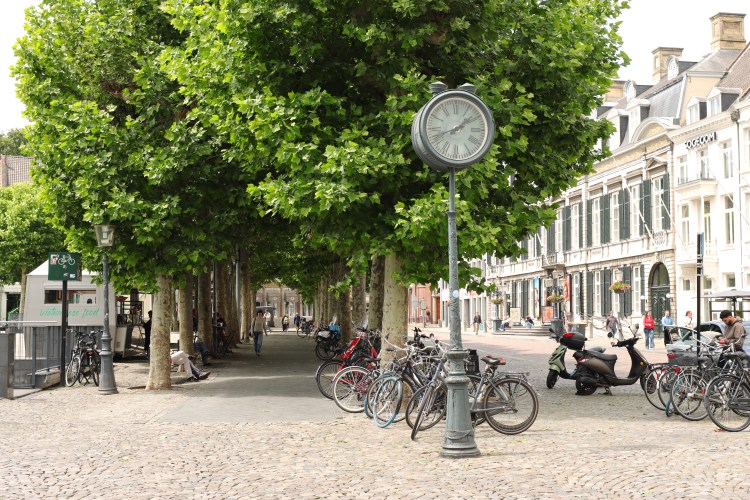
Maastricht wasn’t really somewhere I expected to go this summer until we embarked on a week-long road trip around western Germany and spent a night in Monschau.
When I realised that the historic Dutch city was less than an hour’s drive away from where we were based, and that it was where I could find one of the most beautiful bookshops, I tweaked our itinerary and booked a night in a hotel overlooking the Meuse River.
Although our time in the city was quite short – we spent only two days in Maastricht – we came to appreciate its quiet charms, and it quickly became a place we wanted to linger in a little longer.
Having visited several cities in the Netherlands, I noted that Maastricht differs from standard Dutch canal cities. Because the city sits right on the Belgian border and near Germany, it feels closer to its foreign neighbours than to the Dutch political centre in the west.
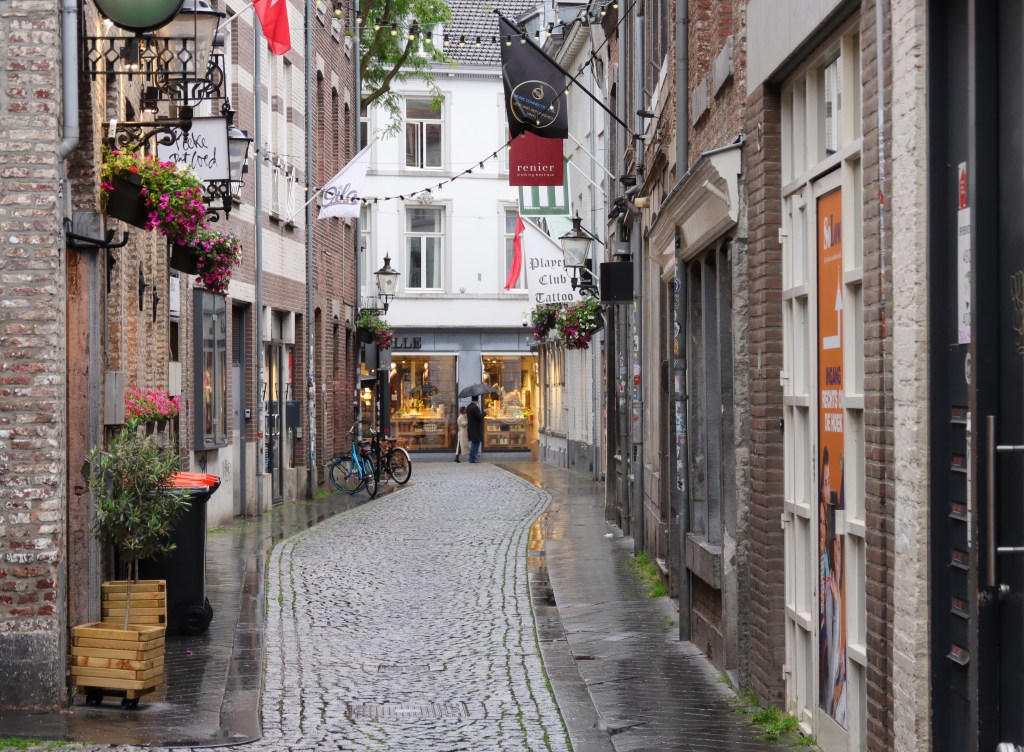
Instead of the flat, narrow brick canal houses typical of cities like Utrecht or Amsterdam, Maastricht features older stone architecture, rolling hills, and winding cobblestone alleys.
Instead of little canals, there is the Meuse River, which splits the city in half, connecting the historic centre with eastern neighbourhoods.
It’s so distinct that even the Dutch jokingly call Maastricht ‘the most foreign city in the Netherlands’
*Fun fact – The Maastricht Treaty, which created the European Union and paved the way for the Euro currency, was signed in Maastricht in 1992.
Read More: Exploring Amsterdam with a Boat Cruise: 10 Useful Tips for A Memorable Experience
Relax at the Lovely Vrijthof Square
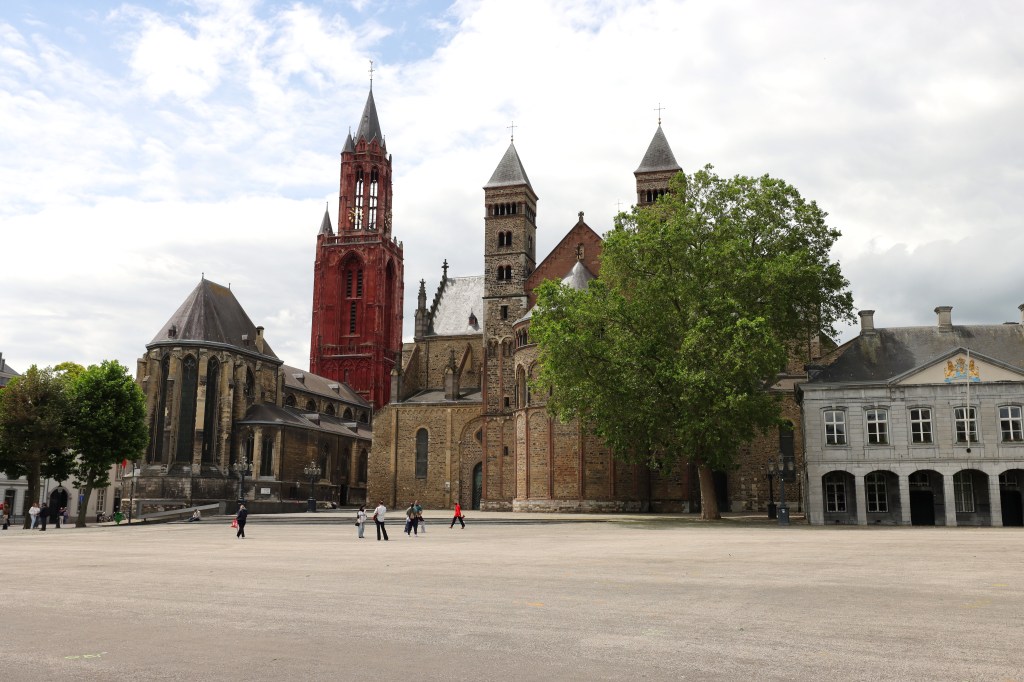
Vrijthof is the city’s most famous square, best known for its lively atmosphere and historical significance.
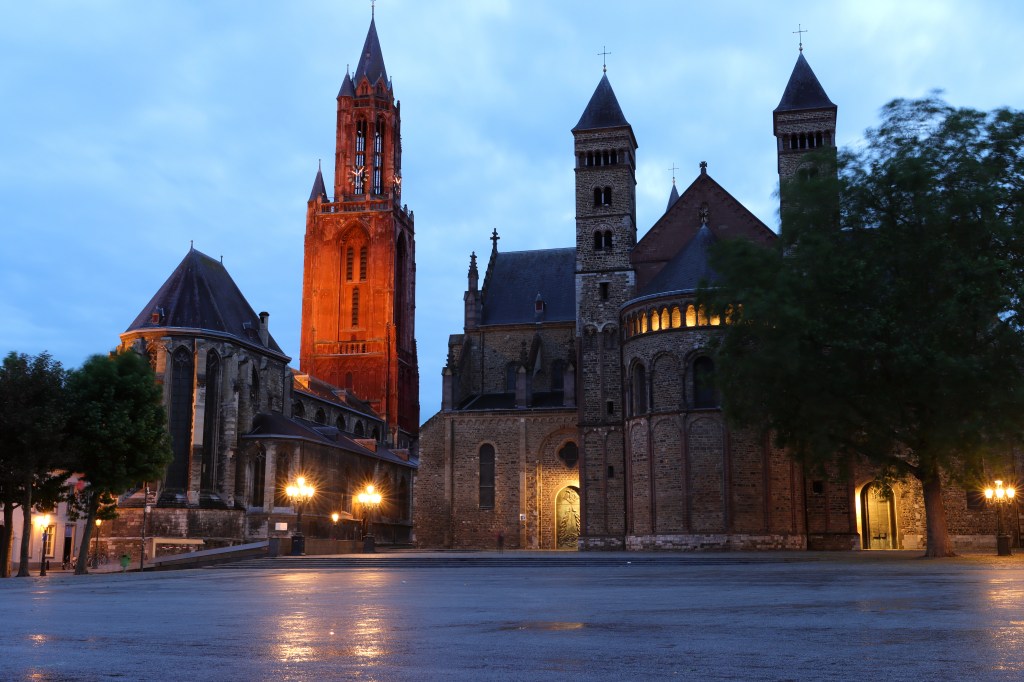
The square is surrounded by iconic landmarks, including the St. Servatius Basilica and the St. John’s Church, with its striking red tower.
Also, surrounding the square are cafés and restaurants where you can relax and drink or eat something.
In winter, it hosts a wonderful Christmas market, while in summer, it becomes a vibrant stage for open-air concerts and festivals.
In July, one of the biggest events was the atmospheric concert by Andre Rieu, which is often regarded as one of the unforgettable summer evenings on the Vrijthof square.
If you miss the concert, you can stop by the Fotomuseum aan het Vrijthof, where you can check out temporary photography exhibitions.
Read More: 10+ Crucial Things You Need To Know Before Visiting Marrakech For The First Time
Discover the world of the Sint Pietersberg Caves
One of the most memorable things to do in Maastricht turned out to be a guided tour through the mysterious passages under the Sint Pietersberg.
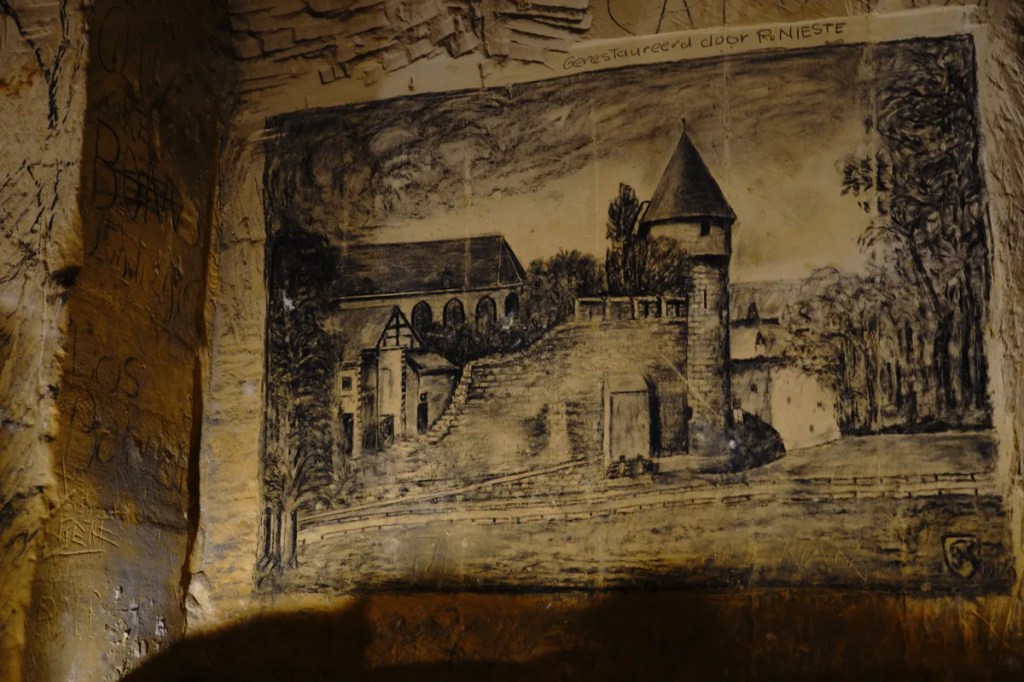
The labyrinth of hand-carved corridors is a unique piece of Maastricht history and mystery.
Some 800 years ago, Limburg started digging for marl (sandstone and limestone). This resulted in a gigantic network of about 250 underground corridors spanning hundreds of miles.
Later, they served as massive civilian bomb shelters, field hospitals, and hiding spots for important art, including WWII storage for Rembrandt’s The Night Watch.
Today, however, it’s only bats that hide here.
One of the most remarkable features of these caves is a variety of beautiful murals and sculptures created over the centuries, such as Ahasverus, The Dragon, Medallion, and The Block Breaker, alongside older miner and visitor inscriptions dating back to 1551.
- Dress warmly: The caves are quite chilly all year round, so it’s a good idea to bring a warm jumper or jacket
- Wear comfortable shoes: The floors are uneven and damp, so sturdy shoes with good grip are essential
Read More: Nice to Monaco Day Trip: A Perfect One-Day Monaco City Itinerary
Check out St. Servatius Basilica
The Basilica of St. Servatius is the oldest surviving church in the Netherlands, dedicated to Saint Servatius, the city’s patron saint.
This Romanesque masterpiece features a stunning crypt, a treasury filled with relics and ancient artefacts, and a beautiful cloister.
The basilica’s architecture and rich history make it a must-visit for those who are keen on history or simply love beautiful architecture.
As it started drizzling while we walked around the grand Vrijthof square, we popped in to admire the interior of the church as well as the atmospheric museum and all the medieval artefacts and gold objects.
- Admission Fee: An adult – €7.50 to access the main areas and treasury museum
- Opening Hours: Monday to Friday from 10:00 AM to 5:00 PM and Saturday and Sunday from 11:30 AM to 5:00 PM.
Read More: The UK Travel Guide: The Most Enchanting Villages in the Cotswolds You Should Visit
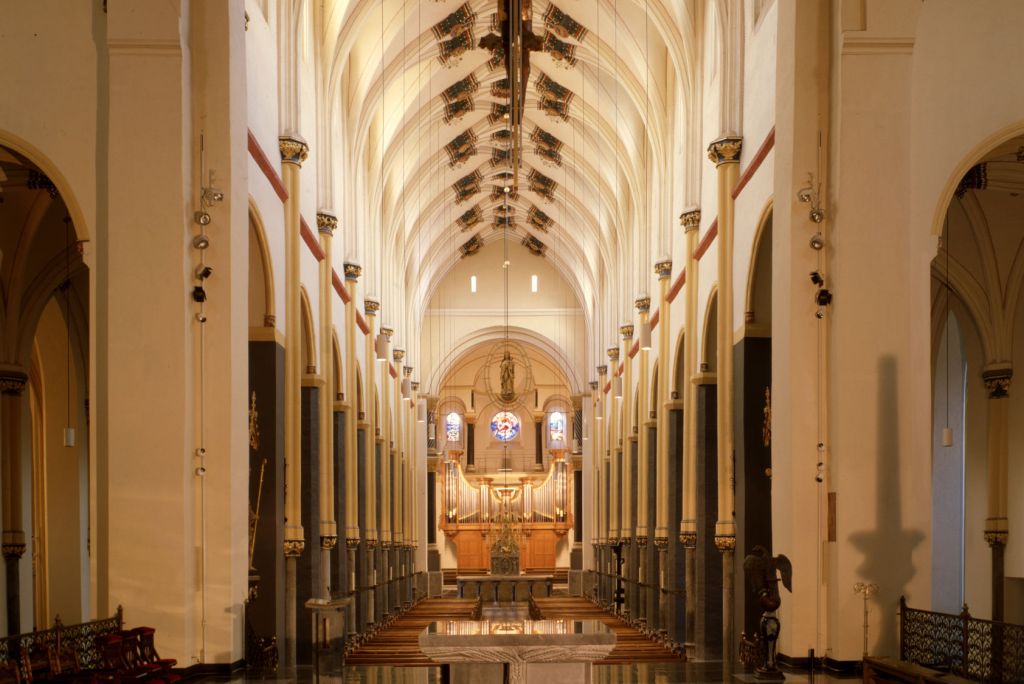
Stop by the Natural History Museum of Maastricht
Located in the charming Jekerkwartier district and housed in a 15th-century Franciscan monastery, the Natural History Museum of Maastricht is a wonderful addition to your city itinerary.
Inside the museum, you can find an impressive collection of fossils, including the famous Mosasaurus specimens discovered in the area, as well as local flora, fauna, minerals, stuffed animals, and chalk fossils.
We thoroughly enjoyed the museum, in part due to its various exhibitions and in part to its small size, which generously provided an intimate, unhurried experience that massive museums cannot match.
It was nice to see that several exhibits paid tribute to their researchers and that the museum pays attention to the work that goes into an exhibit.
If there is one thing to keep in mind, it’s that more than half of the museum is presented only in Dutch. Nevertheless, it’s a small-scale museum where you will be transported through time.
- Address: De Bosquetplein 7, 6211 KJ Maastricht, Netherlands
- Admission: Around €7–€10 for adults, with discounted rates available.
Read More: A Wee Guide To Some Of The Best Things To See and Do In Brittany, France
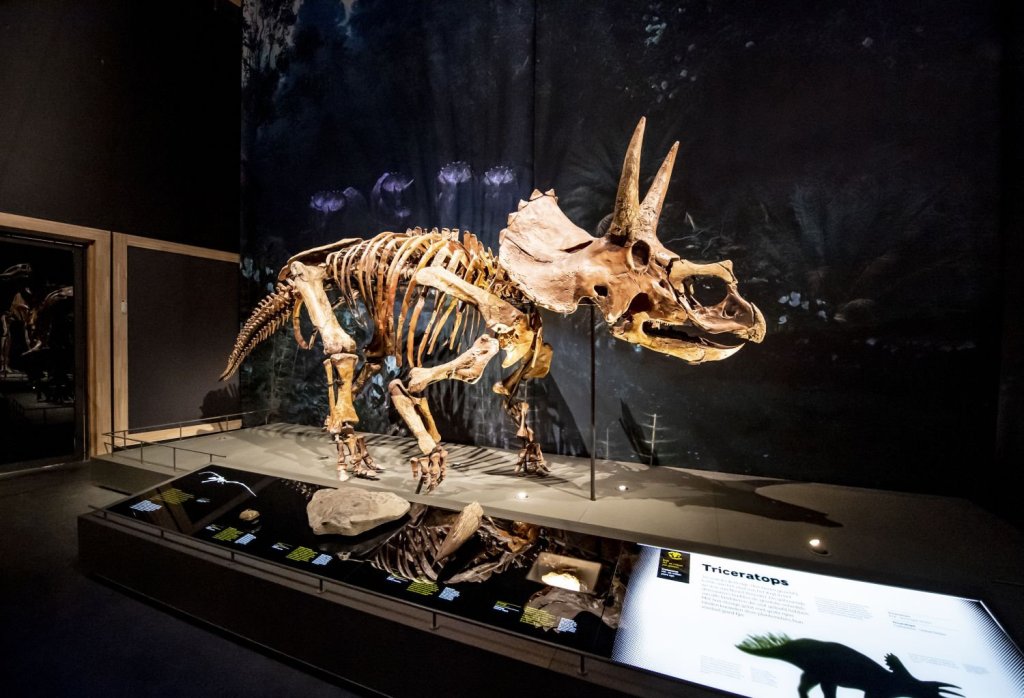
Visit St. John’s Church
Adjacent to St. Servatius Basilica is the St. John’s Church, known for its distinctive red tower that dominates the Maastricht skyline.
This Gothic church contrasts sharply with its Romanesque neighbour.
Climb the church tower for panoramic views of the city and the surrounding countryside. The church’s interior, with its serene atmosphere and beautiful stained-glass windows, is equally impressive.
Read More: The Very Best Madeira Activities For A Fun-Filled Portuguese Vacation
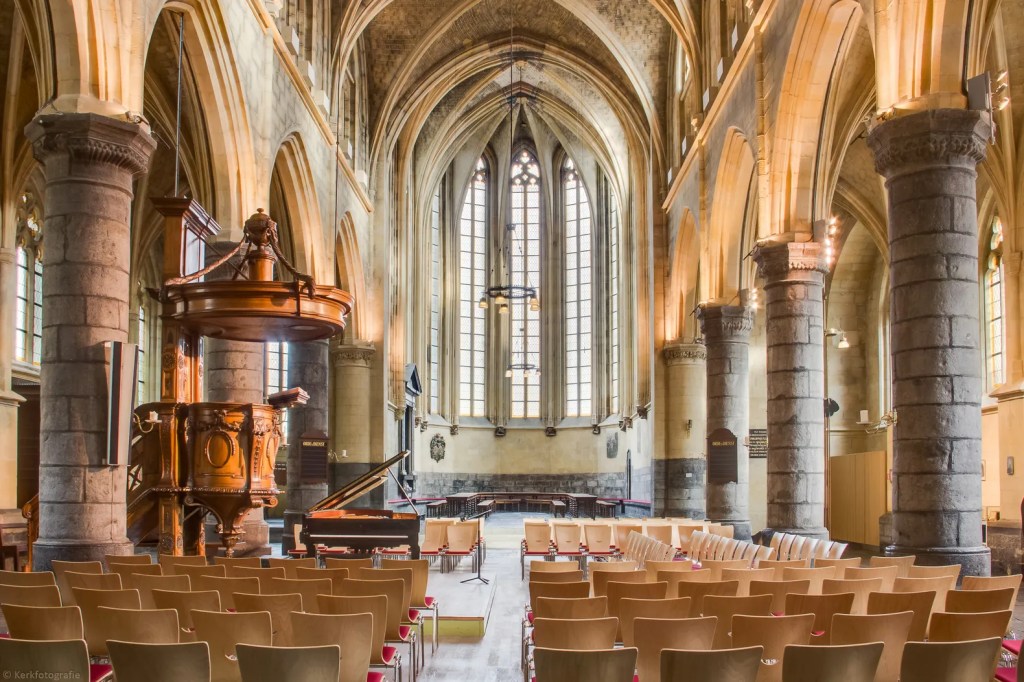
Cross St. Servatius Bridge
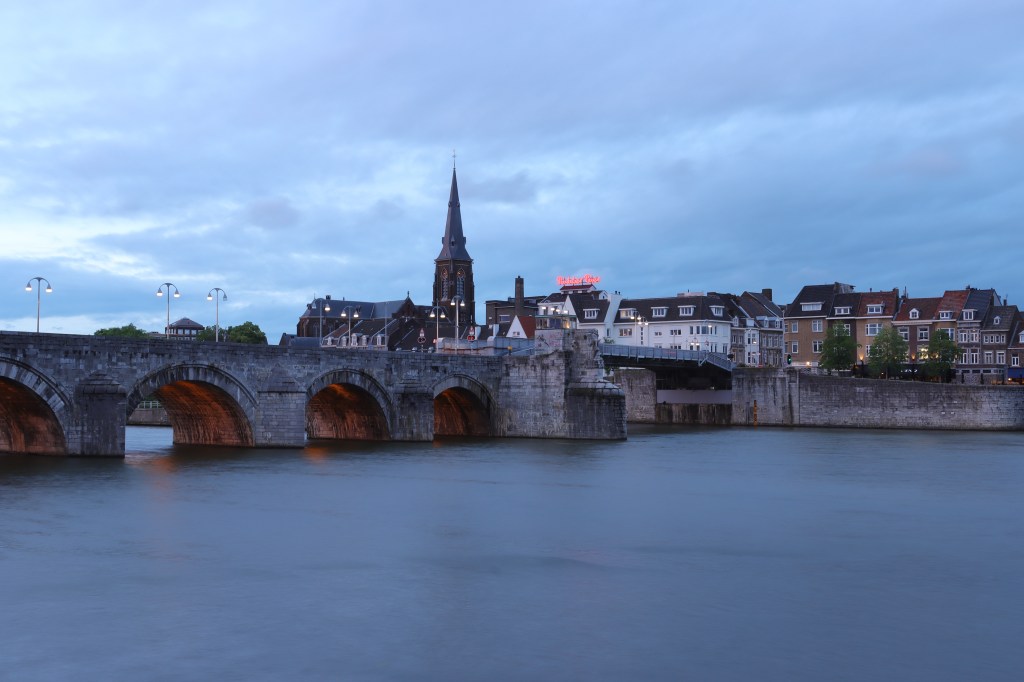
The St. Servatius Bridge is the oldest stone bridge in the Netherlands, connecting Maastricht’s historic centre with the Wyck district and the train station.
Walking across this iconic bridge offers beautiful views of the Meuse River and the city’s skyline.
The bridge dates from the thirteenth century, comprising seven curvy arches and a separate steel drawbridge. A section of it was rebuilt after the Nazi’s destroyed it at the end of WWII to prevent it from being used to cross the Meuse River by Allied forces.
During our time in the city, we crossed it many times and even managed to witness the centre part being raised to let a boat pass underneath.
Read More: A Short Guide to Visiting Beautiful Clare Island in County Mayo, Ireland
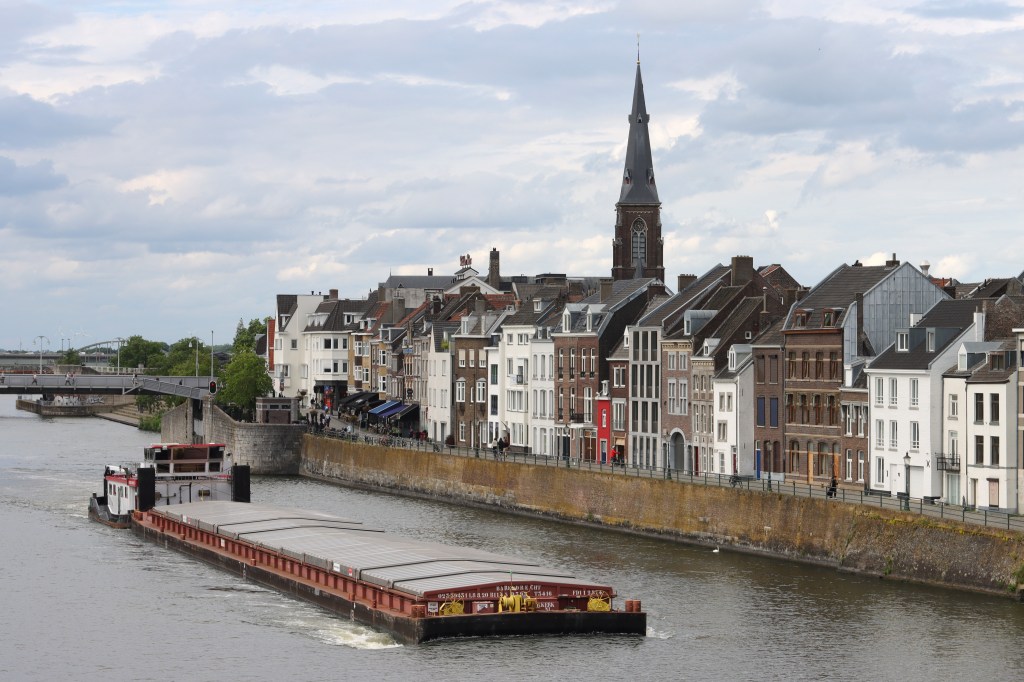
Explore Wyck District
Next, cross Sint Servaasbrug, Maastricht’s historic stone bridge from the 13th century, spanning the Meuse River. The views from here are lovely in both directions, especially when you’re looking back toward the old centre.
On the opposite side, you’ll enter Wyck, which ended up being our favourite neighbourhood in Maastricht.
It’s stylish without feeling too polished, and filled with cute little boutiques, trendy cafés, and bakeries selling freshly made pastries and cheese toasties.
This area has a more modern vibe compared to the historic centre, yet it retains a distinct charm. It’s a great place to explore Maastricht’s local fashion, design, and culinary scenes.
Read More: 50 Fantastic Travel Blog Post Ideas For When You Are Stuck At Home
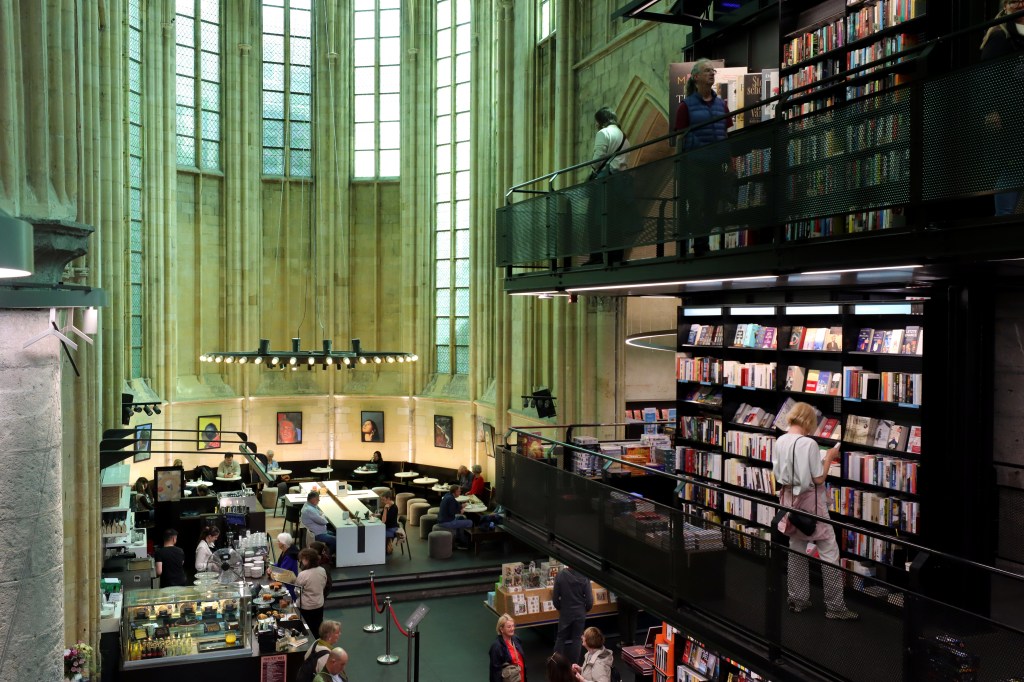
Browse the Shelves at the Dominicanen Bookstore
Housed in a former 13th-century Dominican church, the Dominicanen Bookstore is one of the most beautiful bookstores in the world.
The atmosphere is unique. The selection is rich, and it is a wonderful place to buy books.
The Gothic architecture, combined with modern bookshelves and a cosy café, creates a unique ambience where you can browse books or simply soak in the beauty of the space.
I very much enjoyed the perfect combination of browsing books whilst gasping at the 13th-century frescoes.
During our time in the bookstore, I spotted travel guides, novels, art books and everything in between. The choice is wide enough to make you forget what you came for in the first place. It is the kind of place where you enter for one book and leave with three
- Address: Dominicanerkerkstraat 1, 6211 CZ Maastricht
Read More: 10 Tips and Sights for an Unforgettable Day Trip to Monschau, Germany
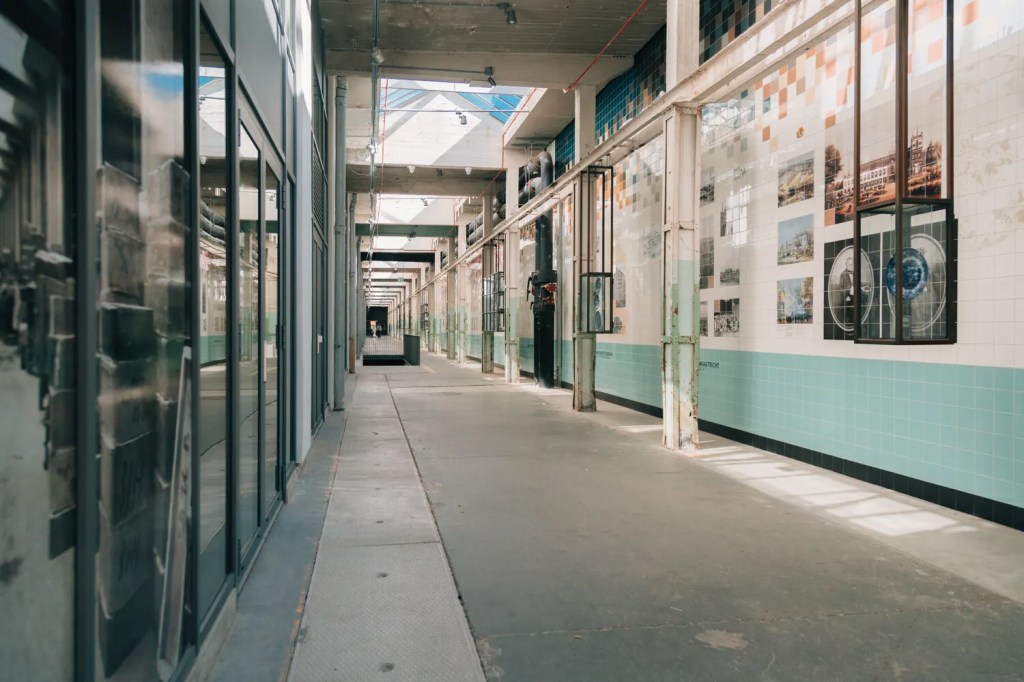
Walk Through the Sphinxpassage
You rarely get to visit a place like the Sphinxpassage, a 120-meter-long covered pedestrian corridor featuring nearly 30,000 colourful, hand-assembled tiles.
We stumbled upon it on our second day in the city and gave it a quick whizz.
The artwork maps out over 200 years of the founding and closing of Maastricht’s famous Sphinx ceramics factory, originally founded by Petrus Regout.
The unique passage highlights the manufacturing processes, the lives of the workers, and how the factory shaped the city.
We loved it because it provided an excellent insight into the history of Maastricht ceramics; it was free, beautifully done, unusual, and took us about 15 minutes to read and see everything.
- Admission fee: Completely free.
- Where to find it: Situated in the trendy Sphinxkwartier
Read More: 7 Unforgettable Ways To Make The Most Of Your Time In Cádiz, Spain
Getting To Maastricht
Maastricht is well-connected by train, road, and air.
We arrived in the city by car from Monschau, Germany, via E40. The drive covered roughly 80 kilometres and was pretty much straightforward.
The best way to get to Maastricht is to fly into a major nearby hub like Eindhoven or Amsterdam and then catch a direct or connecting train.
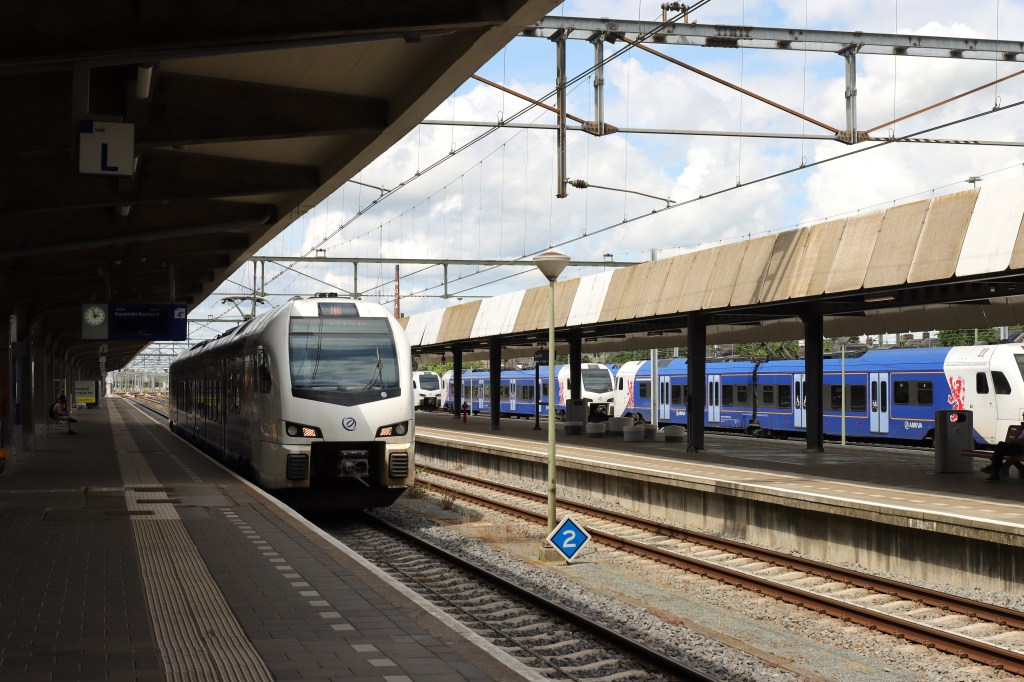
- By rail – The city’s central Maastricht Railway Station offers regular services to major Dutch cities like Amsterdam, Rotterdam, and Utrecht, as well as international destinations like Brussels and Aachen.
- Airport – While Maastricht has its own airport, Maastricht Aachen Airport, with a handy 10-minute bus connection to the city centre, it mostly serves as a major regional air cargo hub in the Netherlands.
Read More: What It’s Like To Experience A Thrilling Hot Air Balloon Ride Over Marrakech
Useful Tips and Hints
- Parking – Parking in Maastricht is quite limited, especially in the city centre. Use one of the city’s Park and Ride (P+R) facilities or public car parks like Q-Park De Griend or Q-Park Vrijthof.
- Public Transport – Maastricht’s public transport system includes Arriva-operated buses that connect the city’s neighbourhoods and surrounding areas.
- Bikes – The city is bike-friendly, with numerous rental shops and dedicated cycling paths, making it an excellent option for getting around.
- Time Needed – 1 to 2 days is ideal to see the main city sights without rushing.
- Location Perks – Its southern location makes it very easy to cross into Aachen, Germany, or Liège, Belgium, for a quick day trip
Read More: Some Of The Best Things To Do in Tartu: The Free, The Fun and The Tasty
Final Words and Is Maastricht worth visiting?
I hope you enjoyed this article!
Maastricht is absolutely worth visiting, especially if you want a Dutch city that feels a little different from the usual Amsterdam-and-canals experience.
Between the underground caves, medieval churches, lively squares, and café culture, it has this layered atmosphere that feels historic and relaxed at the same time.
… … … … … … … … … … … … … … … … … … … … …
Now, over to you!
Have you been to Maastricht? Let us know in the comments!
Let us know if you are planning a visit to Maastricht and have travel-related questions!
Subscribe For The Latest In Travel Inspiration
Subscribe to our monthly email newsletter to stay up to date with all our outdoor adventures
Enter your email below to receive updates


I completely associate Maastricht with Andre Rieu, so it’s nice to see a little of his city. Love that bookstore, Aiva! xx
LikeLike
I can see why you changef your plans,lovely town to explore
LikeLike
What a delightful city to spend a couple of days in Aiva. I’ve not made it to Maastricht yet, but hopefully one day!
LikeLike
I can confirm that Maastricht is well worth a visit. I realise that over the years, largely thanks to various cycling events, I’ve spent quite a bit of time in this delightful city. Furthermore, I’d be happy to return.
LikeLike