Last Updated on the 15th of October, 2026
Ronda is a small town with a big reputation.
It is one of Andalucía’s enticing destinations and one of those places you wouldn’t want to miss, as it has everything you need for a few days of adventuring: great food, amazing views, and lots to do.
While the stunning cliffside views are the town’s biggest allure, for me, it was those everyday moments like lingering in a small café, discovering pretty plazas, and going on late evening walks that made it feel so welcoming.
There was also something tangible about the town’s pace of life — friendly, slow, and full of simple pleasures — that made me wanna stay for longer.
Read More: 9 Incredible Things to do in Fuerteventura, The Oldest of the Canary Islands
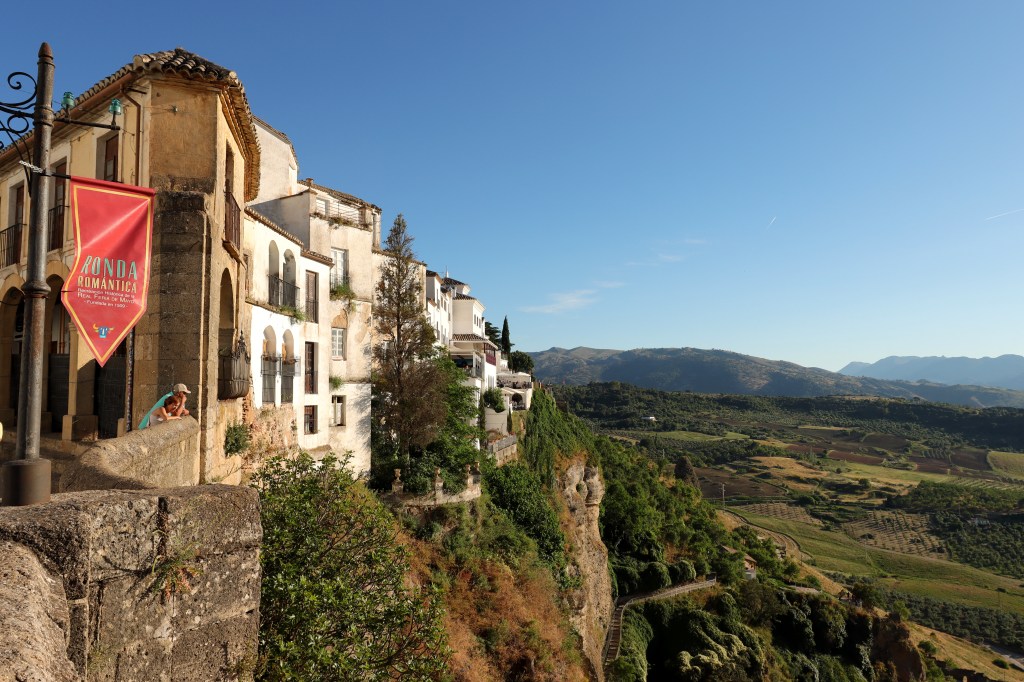
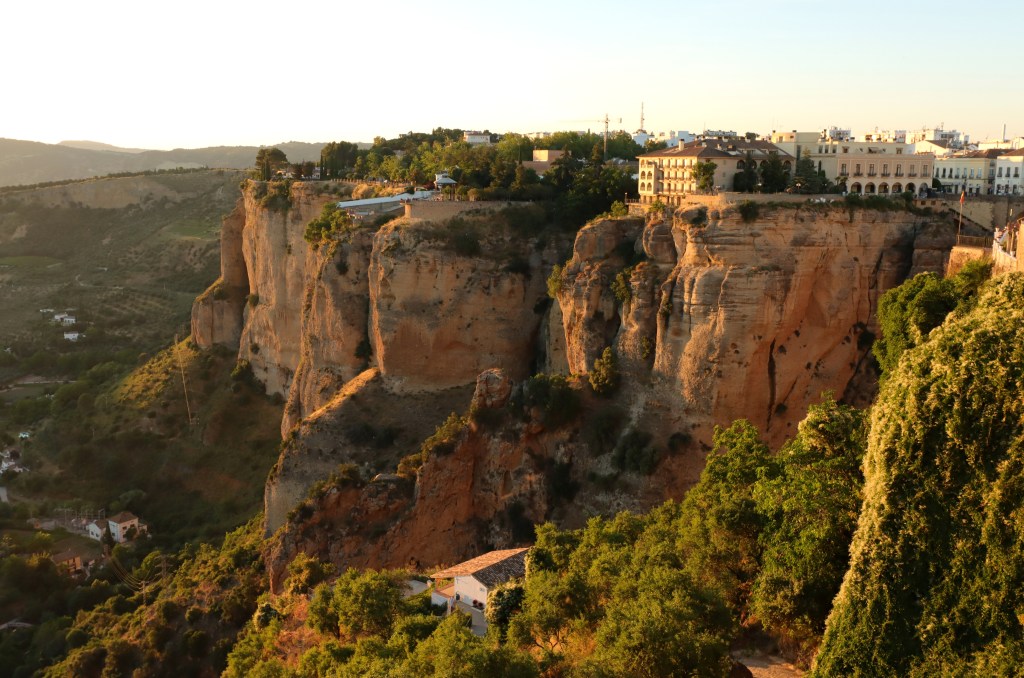
Ronda is perched on the edge of a high plateau in the sun-soaked region of Andalucia and is famous for the deep gorge that splits it in two.
It has a fascinating past, which is reflected in the town’s many monuments and historic sites.
All you have to do is go for a stroll through its historic quarter, and you’ll soon see why it has long captivated artists, dreamers and writers like Ernest Hemingway, who spent significant time in Ronda and famously wrote The Dangerous Summer.
The historic centre is quite compact, and you’ll find that the main attractions are all within walking distance of each other.
To help you get the most out of your time in Ronda, I’m sharing our top places to see while visiting this beautiful place.
Read More: Seville Travel Guide: 7 Enchanting Things To Do In The Seemingly Timeless City
Origins and Early Influences
Ronda’s origins date back to ancient times, with archaeological evidence suggesting it was inhabited during the Neolithic period.
The area was influenced by a series of civilisations, including the Celts, the Romans and the Moors, who were driven out in the 1570s.
The remains of Roman architecture, such as bridges and baths, can still be observed, showcasing the artistic and engineering prowess of the time.
The most significant transformation of Ronda occurred during the Moorish era, which began in the 8th century.
The Moors fortified the town, turning it into a vital trading post because of its position along important trade routes.
Read More: A perfect 12-day Morocco and Spain itinerary for you to borrow
10 Best Things to do in Ronda, Spain
At the end of May, we spent a night in Ronda.
We explored the iconic city from top to bottom, walking everywhere to admire the beautiful city and its stunning architecture, and visited every signature attraction as well as a few lesser-known sights.
From the iconic New Bridge to its history-filled streets, there are many things to see in Ronda to fill up your itinerary.
To help you get the most out of your time in Ronda, I’m sharing our top places to see while visiting this beautiful place.
Read More: The Perfect Road Trip Itinerary for Spell-binding 5 Days in Scotland
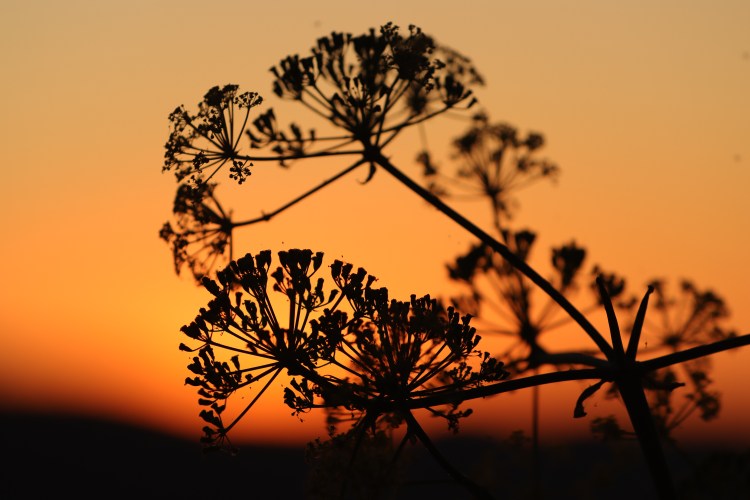
#1. Walk Over Puente Nuevo, aka New Bridge
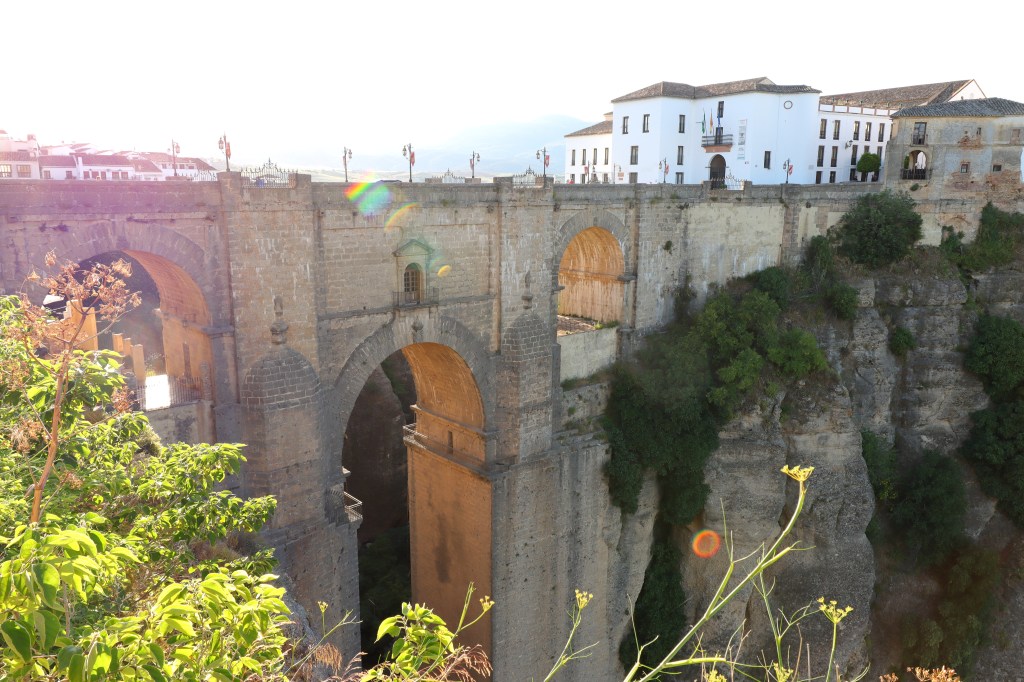
The Puente Nuevo, also known as the New Bridge, is Ronda’s most famous sight.
The bridge dramatically spans the El Tajo Gorge above the Guadalevín River, connecting the old and new parts of the town.
It was completed in 1793, after 42 years of construction, and is not only a masterpiece of engineering but also Ronda’s most iconic landmark.
The upper span of the bridge has three arches, the middle of which contains a tiny museum that was once a prison.
Walking across the bridge is a great opportunity to catch sweeping views of the gorge, the cascading river below, and the surrounding Andalusian countryside.
Don’t miss the viewpoints on either side, as they are perfect for capturing the grandeur of this cliffside city.
Read More: Slovenia Travel Guide: 9 Incredible Things To See And Do At The Beautiful Lake Bled
#2. Stop by the Wonderful Casa Museo Don Bosco
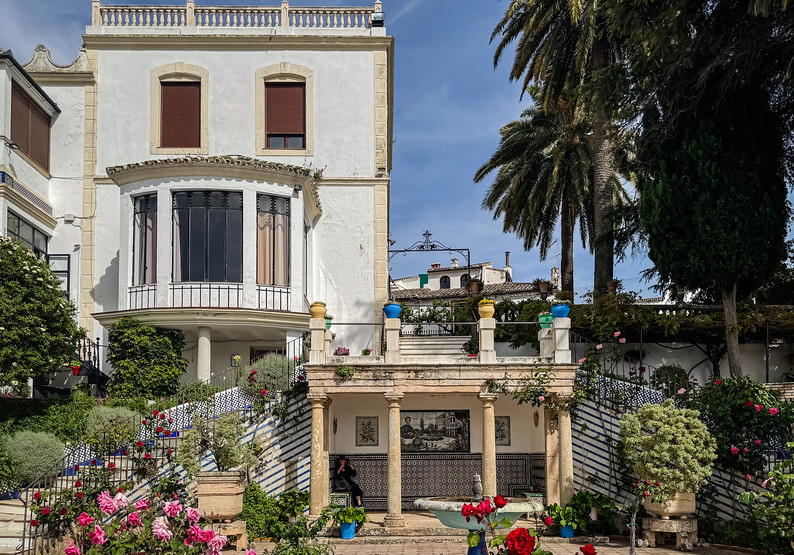
Just a short walk from the Puente Nuevo bridge, you can find a stately home with beautiful gardens and sweeping views over El Tajo.
The house was built in 1850 and remodelled in the early 20th century, and it’s where you can take a tour of its peaceful garden and discover its rich décor that includes carved woodwork, stained glass windows and tapestries.
There is also a colourful patio, decorated with plants and a collection of regional ceramics and a beautiful dining room.
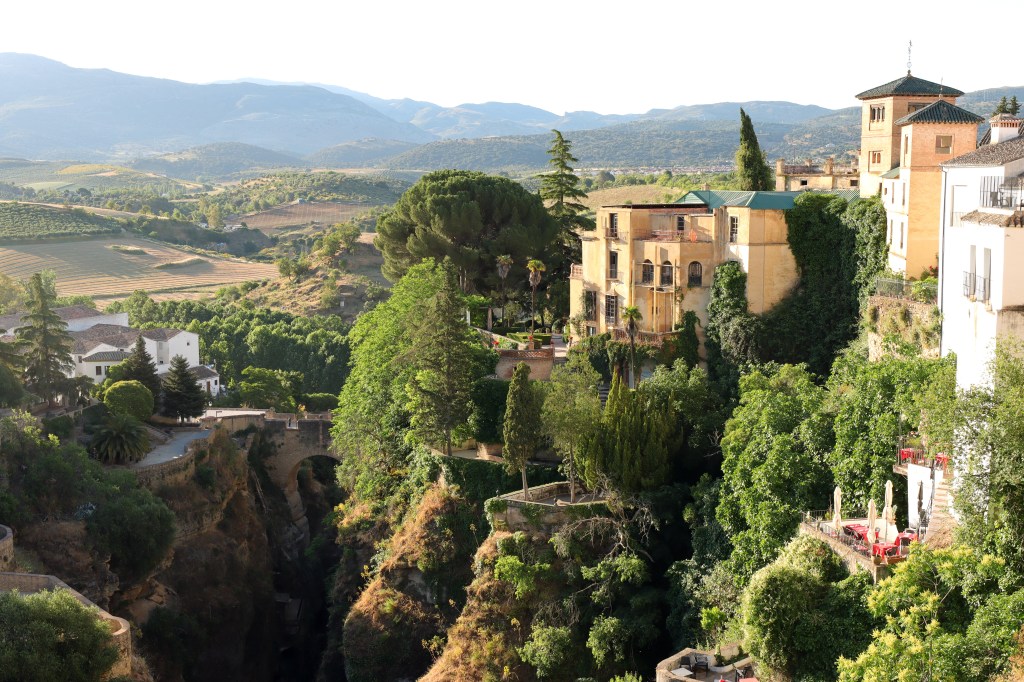
The main attraction is the house’s serene terrace, with a quirky frog statue-filled fountain at its centre and panoramic views both over the Ronda countryside and over the Tajo of Ronda.
If you are feeling peckish, there’s a reasonably priced bar on the terrace serving drinks and snacks.
As with most of Ronda’s tourist attractions, we advise you to visit them early in the morning or at the very end of the day, to avoid group excursions.
- Schedules and prices: The museum is open daily from 10am to 8pm. General admission is €2.50.
Read More: Discover Some of the Very Best Things To See and Do Around Lake Garda, Italy
#3. Stroll Through The Winding Streets of the Old Town
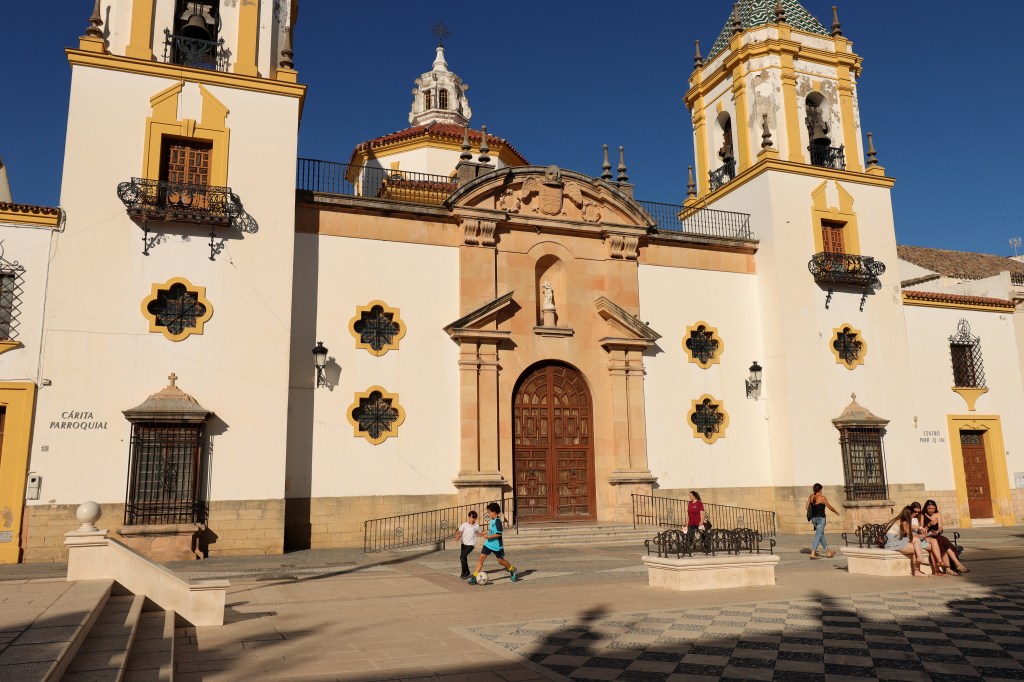
Beautifully preserved, the old medina district is called La Ciudad, and it’s where the city’s rich history and charm truly come to life.
The district’s architecture is a testament to the various cultures that have left their mark on Ronda, from Moorish to Roman influences.
It is characterised by narrow, winding streets, whitewashed lanes, and little squares like the Plaza Duquesa de Parcent, on which the Roman Forum is said to have originally been located.
Some of Ronda’s most significant historical landmarks, including the ancient Arab Baths and the beautiful Church of Santa María la Mayor, can be found in the old town.
Read More: 10 Unmissable Things To Do In Porto, Portugal’s most up-and-coming destination
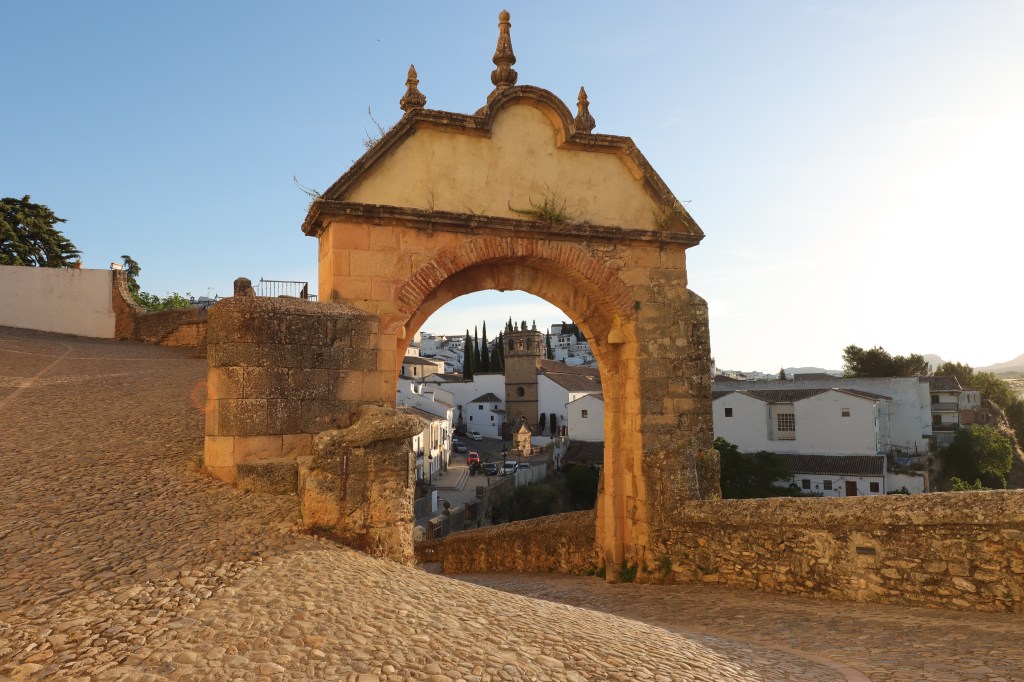
#4. See the Beautiful Arch of Felipe V
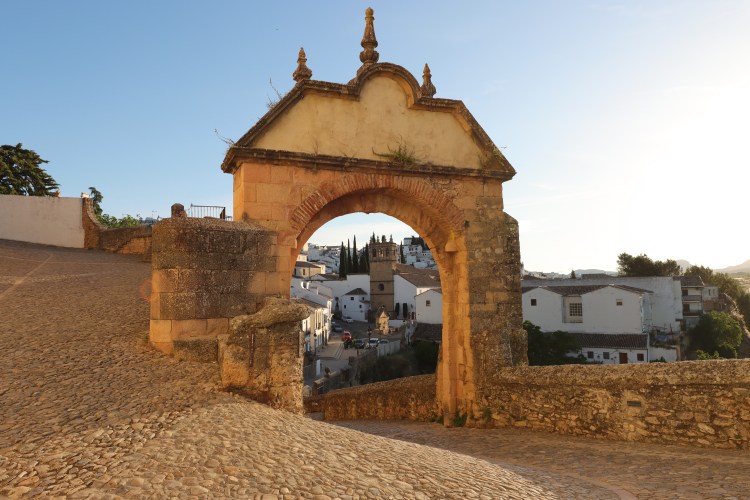
The arch of Felipe V in Ronda is a historical gateway that marks the entrance to the old part of the city and features a unique trapezoidal pinnacle above its opening.
It is named after King Felipe V, who was best known for his efforts to rebuild Spain’s economy during the War of Succession.
The arch is located near Puente Viejo, and it offers picturesque vistas of the surrounding countryside, with rolling hills and greenery stretching into the distance.
It also makes for a brilliant backdrop for photos.
The cobblestone path leading to the gate is slightly steep, but the views make every step worthwhile.
Read More: Portugal Travel Guide: Discovering The Best of Nazaré In A Day
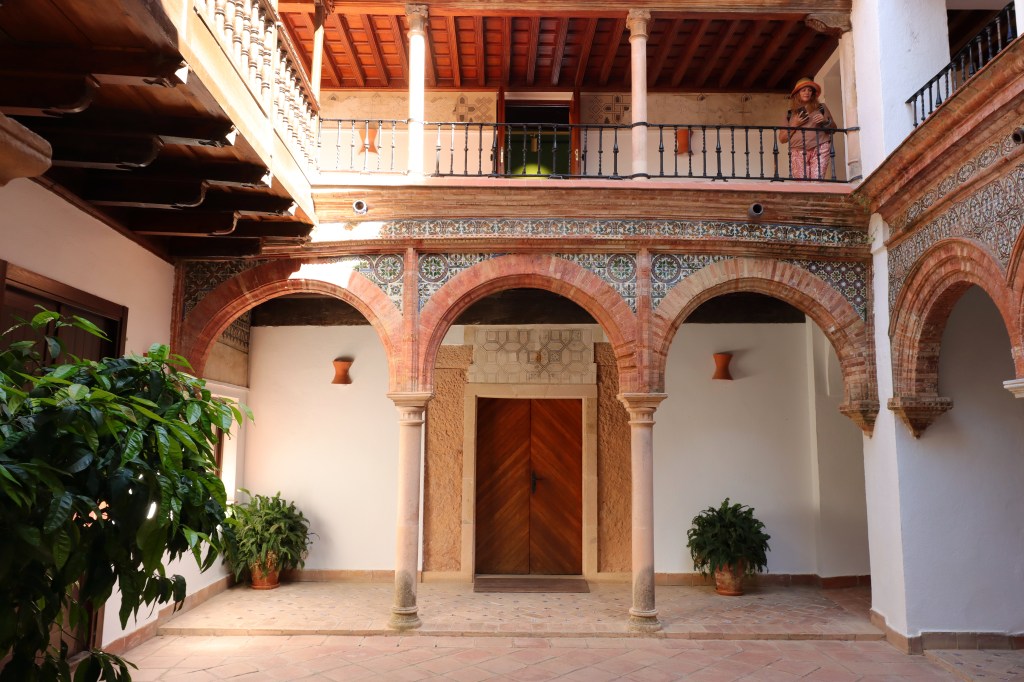
#5. Visit Mondragón Palace and Museum
For lovers of architecture and beautiful views, don’t miss the Palacio de Mondragón.
Built in the 14th century by the Moorish rulers, the palace was once a home to governors and nobles who administered Ronda over the centuries, as well as the residence of King Ferdinand and Queen Isabella after they conquered the town in 1485.
Currently, the palace is converted into a municipal museum, where you can learn about Ronda’s local history, archaeology, and prehistoric findings.
Within the palace, you’ll be seduced by the beautiful Moorish courtyards, exotic plants, the charm of the Andalusian garden and the stunning view of the picturesque surroundings of Ronda.
If you wish to gain detailed insights into the history and secrets of the palace, it is well worth opting for a guided tour.
- Opening hours: Monday and Saturday, 10am – 2pm and 3pm – 6pm; Tuesday to Friday, 9.30am – 7pm
- Opening hours: Monday and Saturday, 10am – 2pm and 3pm – 6pm; Tuesday to Friday, 9.30am – 7pm
Read More: How To Spend One Day In Munich: An Efficient Itinerary For a First-Time Visitor
#6. Stop by the Arab Baths Archaeological Site
Dating back to the 13th and 14th centuries, the well-preserved Arab baths are among the best in Spain.
They were built partially underground during the Moorish period and have many similarities with the Roman bathhouses, featuring cold, warm, and hot rooms.
Back in the day, the baths also served as social gathering spots, where people would socialise and connect.
Although the baths are no longer in use, they are open to the public for visits, letting visitors explore the different rooms and horseshoe-shaped arches and star-shaped skylights that only add to the architectural beauty of the baths by illuminating the space.
- Admission: Standard admission: €4,50
- Admission: Standard admission: €4,50
Read More: Exploring Amsterdam with a Boat Cruise: 10 Useful Tips for A Memorable Experience
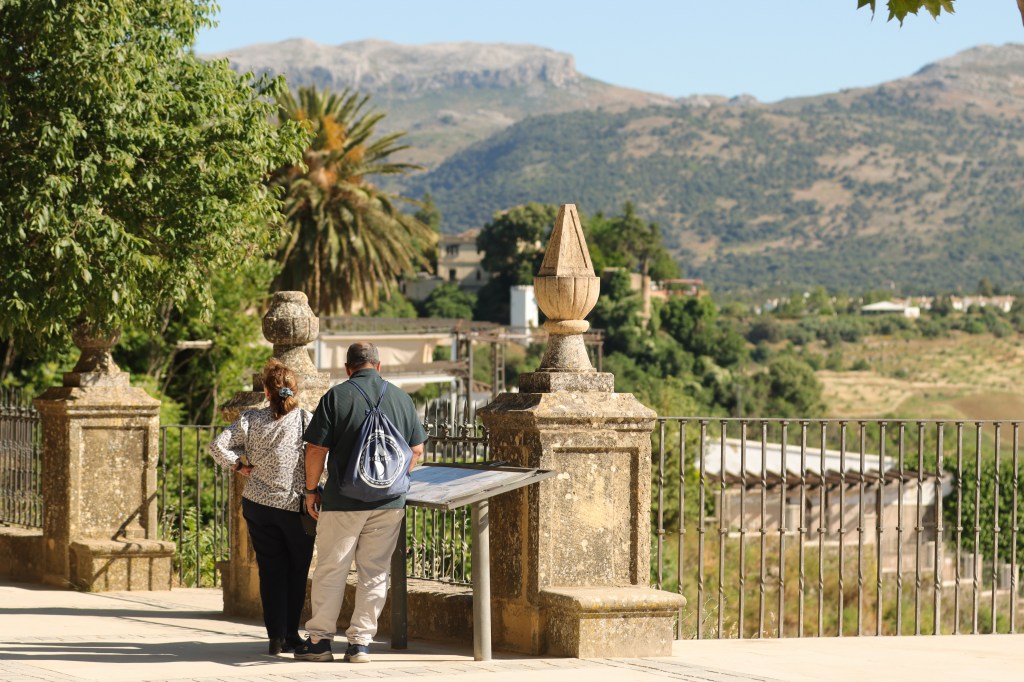
#7. Take in the Views from Mirador de Ronda Viewpoint
For one of the most jaw-dropping views in the city, head to the Mirador de Ronda, located just a short walk from the bullring.
Perched right at the edge of the cliffs, this scenic viewpoint gives you a front-row seat to the Puente Nuevo, the full depth and curves of the El Tajo Gorge, and miles of rolling countryside opening out in every direction.
The viewpoint is named after renowned architect José Martín de Aldehuela, and it is the kind of place that makes you pause, breathe, and remember exactly why you came to Ronda.
There is a gazebo and a slightly jutting-out balcony from where you can gawk at the whitewashed houses clinging to the edge of the cliff.
While the views are beautiful at any time of day, it is quite special during sunrises or sunsets, when the sun’s warm tones drop toward the valley.
Read More: A Day of Discovery: The Perfect Day in Bayonne: Food, Sights, and Stories
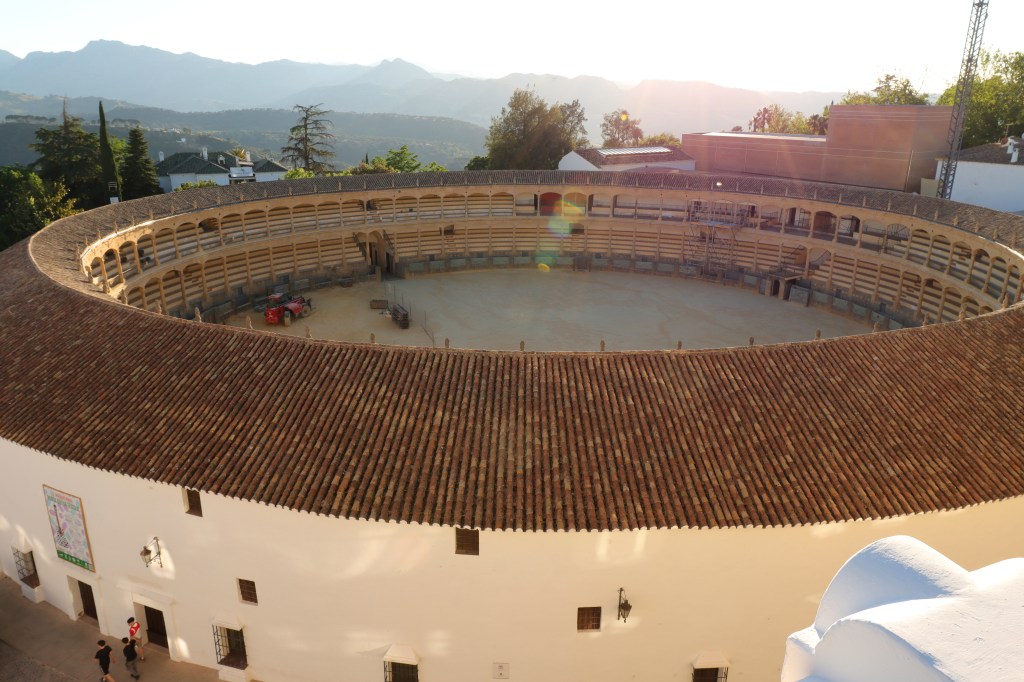
#8. See Spain’s Oldest Bullring – The Plaza de Toros
The Plaza de Toros is one of the oldest bullrings in Spain and a big part of Ronda’s identity. It was built in 1785 by the same architect who designed Puente Nuevo, José Martín de Aldehuela.
The venue has a rich history, a unique oval shape and a 13,000-spectator capacity.
Today, only one fight a year takes place at the Plaza del Toros, as part of the Feria de Pedro Romero festival each September.
The Plaza de Toros is open to the public and lets visitors explore the bullfighting museum to learn more about the tradition and history behind this controversial sport.
Ronda is very proud of its bullfighting heritage, and regardless of personal views on the sport, it’s important to approach conversations about it with sensitivity and openness.
*Top Tip – you can also see the historic bullring from the Hotel Catalonia Ronda, which is located right across the street. They have a wonderful roof terrace where we had a few refreshments and an incredible view.
- Address: Calle Virgen de la Paz, 15, 29400 Ronda
- General admission: 9€
Read More: 9 Essential Things To Know Before Visiting the Beautiful Triglav National Park
#9. Embark on a trip to Nearby Villages or Parks
Ronda serves as a great base for exploring Andalucia’s surrounding, less-crowded areas.
You can find many Natural Parks, the Pueblos Blancos, as well as numerous walking, biking, or horse-riding trails. Bird watching is extremely popular in this part of Spain, and you can even see where Griffon Vultures make their nests.
Each village has its own charm; some have castles on the hills above them, others are known for local cuisine and scenic views, while others are known for the festivals unique to their village.
Some of the places you should check out are:
- Setenil de las Bodegas – The white village of Setenil de las Bodegas, just 15 km from Ronda, is located a unique village built under a rocky overhang on the banks of the Trejo River.
- The white village of Olvera – Built on a hillside, at the foot of a 12th-century fortress and an imposing church, Olvera is a fantastic place to visit
- Zahara de la Sierra – Perched on a steep hill overlooking a stunning turquoise reservoir, the village offers dramatic views and a slow-paced atmosphere.
- Puerto de las Palomas – For an unmissable mountain pass and epic mountain views, visit the Puerto de las Palomas mountain pass, where you can often see vultures and eagles soaring up in the sky.
Where to Stay in Ronda
If you choose to stay overnight in Ronda, there are plenty of accommodation options.
While it’s definitely possible to visit Ronda on a day trip from other nearby cities, I would recommend spending one night here.
Many of the town’s hotels are located right on the cliff’s edge with beautiful views over the countryside, and there are also many centrally located self-catering apartments and villas.
We stayed at Martalia Arenal apartments, located just outside of town.
We chose it because it had stunning views from the sunny rooftop terrace as well as an outdoor pool to go for a dip. The apartment was clean, modern, comfortable and included air-conditioning, a kitchenette and everything we needed for a comfortable stay.
Read More: The Beginner’s Guide to Venice: 12+ Powerful Tips To Make The Most Of Your Trip
Best time to visit Ronda
Like much of Spain, Ronda is a year-round destination.
The best time to visit Ronda is during the spring (April to June) and fall (September to October), when the weather is mild, and the landscapes are at their most vibrant.
July and August are too hot in Andalusia, with temperatures reaching the high 30s, or even 40 degrees.
We visited at the end of May and thought it was the perfect time to be in the town. It was warm and sunny but not too hot.
The flowers were blooming, and it wasn’t too crowded to explore.
Read More: Exploring Amsterdam with a Boat Cruise: 10 Useful Tips for A Memorable Experience
How To Get To Ronda
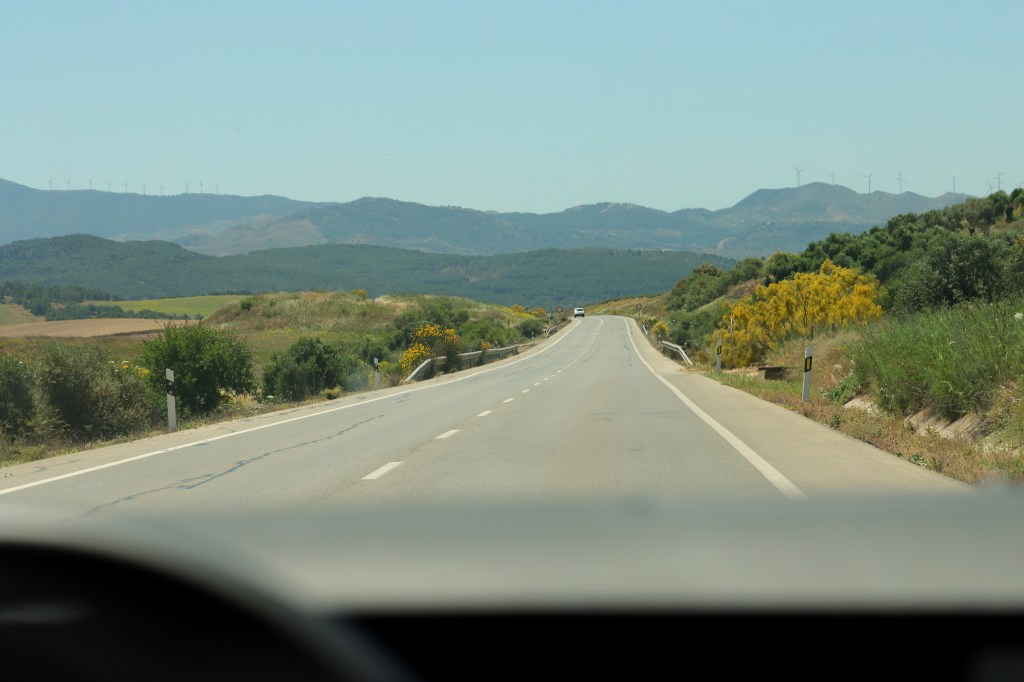
Ronda is located in southern Spain, around an hour west of Málaga city.
Málaga-Costa del Sol Airport is Ronda’s closest airport, but it’s also fairly close to Jerez, Seville, and Gibraltar airports.
We arrived by car from Málaga, and found that the roads are well-maintained, well-signposted, and toll-free.
The streets in the town are quite narrow, and street parking is limited, but you’ll find underground car parks. Most hotels also have parking, or can advise you on the nearest place to park.
- By Train: You can also reach Ronda by train from Malaga, Sevilla and Granada. Ronda’s train station is centrally located, and tickets are reasonably priced when booked in advance with Renfe.
- By Bus: Ronda has a bus station that connects the city to other important cities in Andalucia, such as Seville, Granada and Malaga. The bus company operating in the region is Avanza Grupo, and tickets can be easily booked online.
Read More: The UK Travel Guide: The Most Enchanting Villages in the Cotswolds You Should Visit
Is it worth spending the night in Ronda?
Ronda is a very popular day trip destination from bigger Andalucían cities like Málaga and Seville, but it easily merits an overnight stay.
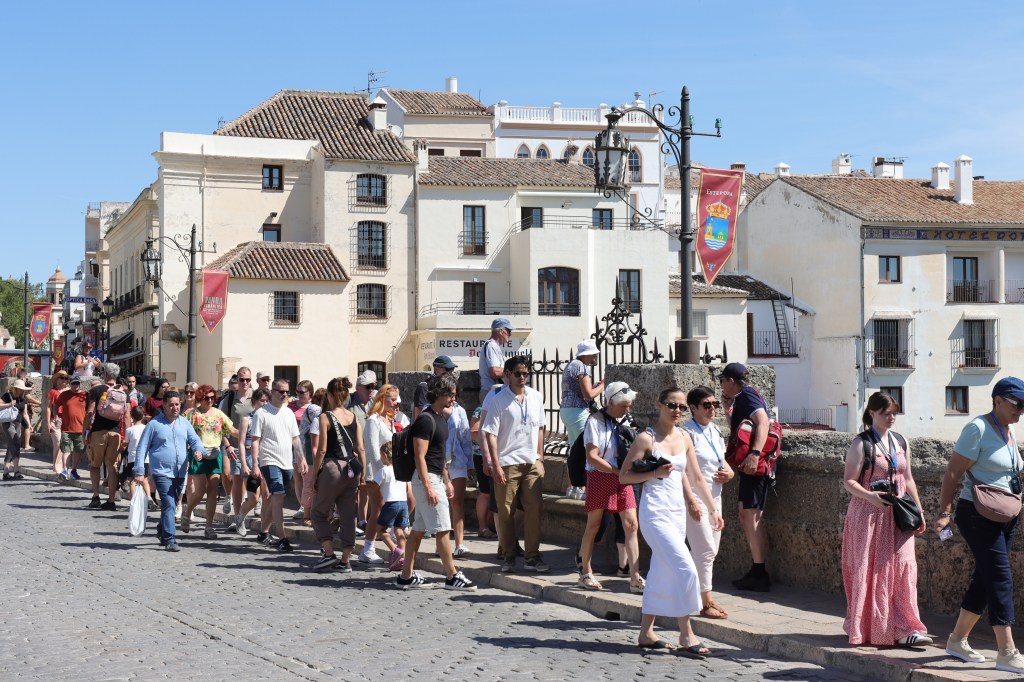
During the day, the city gets pretty crowded, as the tour buses arrive one after another.
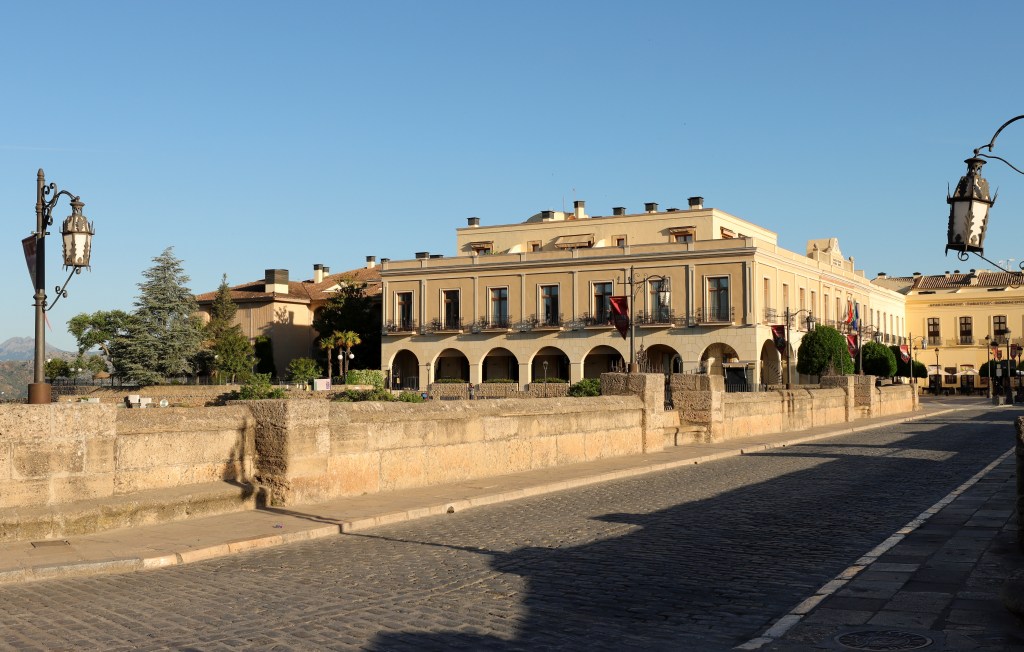
But once the day-trippers leave, the town transforms, and you can experience Ronda with fewer crowds as well as catch beautiful sunsets.
A sunset stroll followed by a glass of wine and a tapas dinner is exactly the sort of peaceful experience that you are supposed to have in Ronda, and one that you can have with half as many people if you choose to do an overnight.
I am glad we made the decision to spend a night in Ronda, because once the day trippers left, we had the place literally all to ourselves.
You can see the difference in the two photos below.
The first photo was taken during the day, and the other one was taken in the morning when we went for a walk after breakfast.
Read More: The Very Best Madeira Activities For A Fun-Filled Portuguese Vacation
Final Word On the Best Things to Do in Ronda, Spain
And there you have it, a few of the best things to see and do in and around Ronda.
Whether you choose to visit Spain’s oldest and most important bullrings or simply enjoy breathtaking views of the surrounding mountains from one of the viewpoints, you are going to have a great time.
If you plan on visiting the majority of tourist attractions, it is worth investing in the Tourist Ticket (Bono Turístico) as it provides entry to the Mondragón Palace, the New Bridge (Puente Nuevo) Interpretation Centre, the Casa del Gigante and a few others.
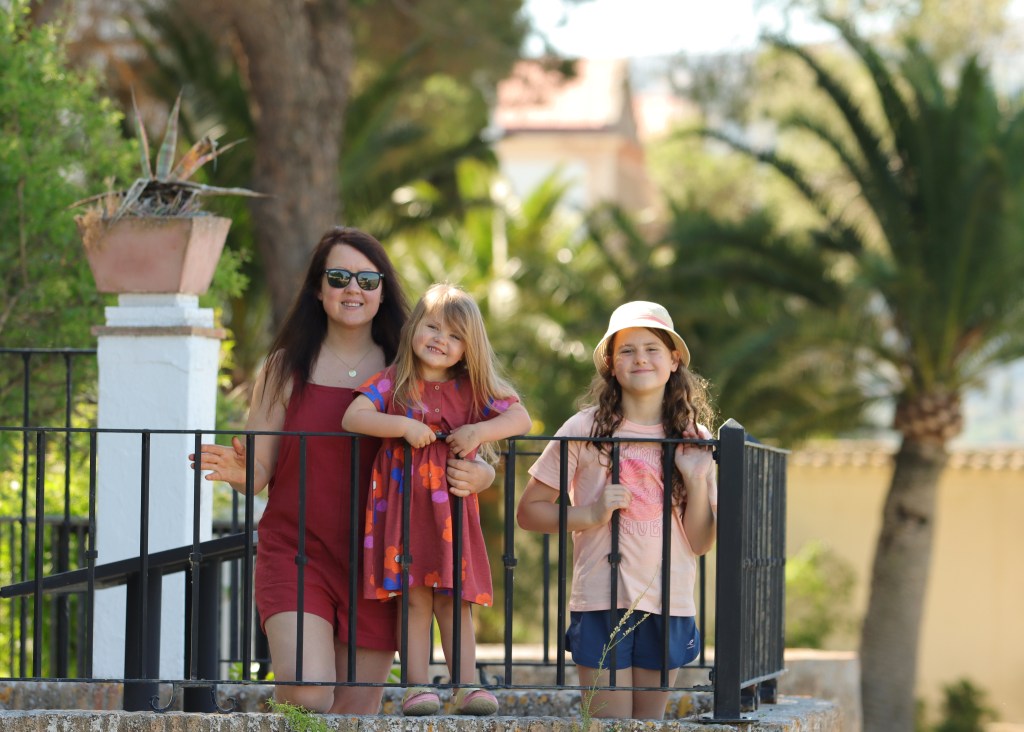
… … … … … … … … … … … … … … … … … … … … … …
Now, over to you!
Have you been to Ronda? Let us know in the comments!
Let us know if you are planning a visit to Ronda and have travel-related questions
Subscribe
Subscribe to our monthly email newsletter to stay up to date with all our outdoor adventures
Enter your email below to receive updates


Wow, thanks for this amazing guide to Ronda! The Puente Nuevo sounds like a sight my husband, who loves bridges, would really enjoy; what a spectacular sight that must’ve been! Those views sound absolutely incredible. Mondragón Palace sounds like an interesting place to visit as well. 🦋🌸
LikeLiked by 1 person
The massive stone bridge is an architectural marvel that towers nearly 100 meters above the breathtaking El Tajo Gorge and is a sight to see, especially for someone who loves bridges. You would love the Mondragón Palace because it offers a stunning, tranquil blend of Moorish and Renaissance architecture, along with some of the best panoramic views in the city. Thanks for stopping by, and have a good day 🙂 Aiva xx
LikeLike
Everything about Ronda looks very enticing, and the Pented Nuevo looks amazing, as do the Arab Baths. Ronda is a destination I haven’t visited yet.
A wonderful guide, Aiva and I love your sunset photo – so beautiful. Cheers, Nilla 🙂 x
LikeLiked by 1 person
Thanks so much, dear Nilla. You would very much enjoy breathtaking cliffside views, historic Moorish architecture, and the magnificent bridge. It is honestly one of the most impressive and iconic landmarks that I have seen in all of Spain. Thanks for stopping by, and have a good day 🙂 Aiva xx
LikeLiked by 1 person
The overnight-stay tip is the bit I’m holding onto — that contrast between the tour-bus crush at midday and the empty 9am streets is the whole argument for slowing down, and it’s exactly how we try to travel as a family: arrive late, let the day-trippers leave, and have the place to ourselves at breakfast. Setenil de las Bodegas tucked under that rock overhang is firmly on the list now too. Those El Tajo gorge views look unreal.
LikeLiked by 1 person
Thanks so much for your wonderful comment. Spending a night in Ronda was one of the best decisions we made because it allowed us to experience Ronda at different times of day (the changing light around the gorge makes for incredible photos), and the city was so much quieter in the evenings when all the buses with day trippers had left. Not to mention the bliss of waking up to an utterly peaceful atmosphere the next morning, too. Thanks for stopping by, and have a good day 🙂 Aiva xx
LikeLike
This looks like the perfect place to spend a few days. But, I fear the day trippers will ruin it for serious tourists like they have ruined so many other popular places. Love the clifftop location and the views. I think this would be the perfect place to spend a few relaxing days Aiva. Great shot of you and your daughters. They are growing so fast. Happy Monday. Allan
LikeLiked by 1 person
Ronda was an amazing place to visit, dear Allan. It packs a punch of culture and natural beauty, making it a spectacular stop. We don’t get much sunshine in Ireland, especially on the West Coast, so it was amazing to enjoy never ending amount of blue sky and sunshine. You know, it would make such a big difference if people would move from being passive tourists to mindful, engaged explorers. But in reality, so many fail to respect local communities and somehow leave manners and common sense behind. Thanks for stopping by, and have a good day 🙂 Aiva xx
LikeLiked by 1 person
Great guide
LikeLiked by 1 person
Thank you, Tanja 🙂 xx
LikeLiked by 1 person
Excellent travel guide. Thanks for this.
LikeLiked by 1 person
Much appreciated 🙂 xx
LikeLiked by 1 person
Ronda is simply wonderful!
Thank you for bringing it back to my memory with your beautiful post and your fabulous photos.
LikeLiked by 1 person
Thank you, dear Luisa. Ronda is one of Andalusia’s most stunning white towns which seamlessly blends breathtaking natural scenery with rich Moorish history and yummy food. I am so glad we decided to stay the night as it let us escape the daytime crowds, enjoy the sunset over the gorge, and explore the region’s hiking trails. Thanks for sharing, and have a good day 🙂 Aiva xx
LikeLiked by 1 person
I am the one who thanks you also for this wonderful reply, dearest Aiva 💓
LikeLiked by 1 person
Likewise my dear friend 🧡 xx
LikeLiked by 1 person
A lovely trip down memory lane for me, thanks
LikeLiked by 1 person
I am so glad to hear that, dear Sheree. Ronda is such a beautiful place. Thanks for sharing, and have a good day 🙂 Aiva xx
LikeLiked by 1 person
Spectacular views indeed, and the houses on the cliffs; absolutely stunning! I haven’t been to Ronda, but it’s been added to the bucket list. Wonderful post and recommendations, Aiva!
LikeLiked by 1 person
Ronda is a beautiful example of an Andalusian city with its Arab influences, its palaces, its white houses, its emblematic bridge that overlooks the El Tajo gorge… Thanks for stopping by, and have a good day 🙂 Aiva xx
LikeLiked by 1 person
I have never been to Andalusia so thanks for the virtual visit; looks lovely. (Suzanne)
LikeLiked by 1 person
It was my very first time in Andalusia and I loved it, especially the stunning views and the never ending sunshine. Thanks for stopping by, and have a good day 🙂 Aiva xx
LikeLike
Ronda is one of my husband’s top five places he wants to visit so I sent him your post. Hopefully he will be so inspired that we go in the near future 🙂 have a great day Aiva xx
LikeLiked by 1 person
I hope he gets to visit Ronda one day. It is such a beautiful place and an excellent stop on a road trip through the region on the way to the famous Caminito del Ray or the beautiful natural park of El Torcal de Antequera. Thanks for stopping by, and have a good day 🙂 Aiva xx
LikeLiked by 1 person
The beauty of the charming town is so enhanced by the mountainous backdrop. And I just love Moorish architecture and design.
LikeLiked by 1 person
I loved those sweeping countryside views – Ronda’s location is a veritable paradise for sightseers, provided you have a head for heights. Thanks for stopping by, and have a good day 🙂 Aiva xx
LikeLike
Yes, we have been to Ronda in October many years ago. We were writing about Hemingway and stayed there for about a week.
We came from Granada. Usually we don’t go that far south. We prefer Scandinavia and the Arctic, but that trip was okay.
The Fab Four of Cley
🙂 🙂 🙂 🙂
LikeLiked by 1 person
I am glad to hear that you have been to Ronda, too. Hemingway was one of my favourite writers, and as much as I enjoyed seeing the town heavily featured in his literature, it was even better to see it in person. Recently, I watched the Netflix adaptation of Agatha Christie’s Seven Dials, which beautifully opens in 1920 with a dramatic scene at the historic Rondas bullring. Thanks for stopping by, and have a good day 🙂 Aiva xx
LikeLiked by 1 person
Ronda looks like a picturesque town surrounded by such a beautiful landscape. I can see why Puente Nuevo is so popular. Good call on spending the night so you can experience a quieter side of the town once all the day time tourists have left for the day. And what a beautiful picture of you with your girls.
LikeLiked by 1 person
Thanks so much, dear Linda.
Ronda was an amazing place to visit in the Andalusia region, and it wowed with pretty much everything it had – the food, the wine, the history, the peacocks, and especially the views.
Spending the night in Ronda was a really good idea. I find that travelling slower with kids is one of the best decisions you can make.
It prevents burnout, keeps routines flexible, and allows the whole family to actually absorb the destination rather than racing between attractions.
Thanks for stopping by, and have a good day 🙂 Aiva xx
LikeLiked by 1 person
I totally agree about how it’s nice and necessary to travel slower with kids. And I’m seeing a lot of value in that these days.
LikeLike
Nice guide to visit Ronda Aiva. I have this town on my list of places to visit since I read the post on Jo’s blog. Looks incredible.
LikeLiked by 1 person
The town’s location and architecture were as amazing as the sunny weather, which was our primary reason for travelling to Andalusia. We’ve had a very wet and cold first half of the year and needed some sunshine. There was certainly plenty of it. Thanks for stopping by, and have a good day 🙂 Aiva xx
LikeLiked by 1 person
Indeed, a glorious place! I’m adding it to my bucket list!
LikeLiked by 1 person
The town’s famous clifftop location and the deep gorge that splits it in two are a sight to see. I hope you get to visit Ronda one day. Thanks for stopping by, and have a good day 🙂 Aiva xx
LikeLike
Ronda can be quite busy and no wonder why! We visited it at the end of April, the weather was perfect, like all the places we visited in Andalusia🥰
Cheers, xoxo
LikeLiked by 1 person
We visited at the end of May, and the weather was just glorious, too. It wasn’t too hot, which allowed us to slowly enjoy all the attractions and stunning views. It is such a beautiful place, and I am so glad we finally had a chance to explore it. Thanks for stopping by, and have a good day 🙂 Aiva xx
LikeLiked by 1 person
What a bridge, an amazing engineering feat. It looks like a lovely getaway for you and the family. Thanks for taking me there too, virtually. 🙂
LikeLiked by 1 person
This stone bridge is truly an architectural wonder, spectacularly spanning a 120-metre deep Tajo gorge that divides the city. The setting is dramatic, but the city itself feels calm and welcoming. Thanks for stopping by, and have a good day 🙂 Aiva xx
LikeLike
What a lovely ancient city. The amazing bridge looks particularly beautiful. Xx
LikeLiked by 1 person
You would love Ronda. It is a beautiful example of an Andalusian city with Arab influences, and there are plenty of wonderful palaces, white houses, and the emblematic bridge to see and explore. Thanks for stopping by, and have a good day 🙂 Aiva xx
LikeLiked by 1 person
What a beautiful area of Spain, there is so much to see and do, and so much history!
LikeLiked by 1 person
Ronda is a great place to visit in Andalusia. There is great architecture, an amazing location and plenty of regional eats. It’s definitely worth going to Ronda. Thanks for stopping by, and have a good day 🙂 Aiva xx
LikeLike
What a wonderful itinerary! It looks like a historic place that’s well worth exploring.
LikeLiked by 1 person
You would very much enjoy Ronda, dear Diana. The city’s striking geography, rich cultural heritage, and compact layout make it one of Spain’s most visited destinations. Thanks for stopping by, and have a good day 🙂 Aiva xx
LikeLiked by 1 person
We visited there once and couldn’t believe how beautiful the massive stoned bridge over the arch was.
LikeLiked by 1 person
Same here. I was in awe of the mighty bridge, too – it is certainly one of the most visually and architecturally impressive landmarks I’ve seen in Spain so far. Thanks for stopping by, and have a good day 🙂 Aiva xx
LikeLiked by 1 person
I have not been but have seen so many pictures that people have posted from there. It definitely looks like somewhere worthy of an iver night trip. And how beautiful you and your girls are!
LikeLiked by 1 person
Thanks so much, dear Bernie, for your wonderful comment and compliments. The girls are growing up way too fast for my liking – our youngest one just completed her first year of pre- school. Ronda is a beautiful place to visit. Its star attraction, the Puente Nuevo bridge, alongside a well-preserved old town, makes Ronda perfect for a day trip or longer stay. Thanks for stopping by, and have a good day 🙂 Aiva xx
LikeLiked by 1 person
Looks very pleasant and very Spanish. (Wow, the girls are growing!)
LikeLiked by 1 person
Thank you kindly. Ronda is beautiful, sunny and full of iconic sights. Yes, the girls are growing – it certainly is a bittersweet truth. Before you know it, you are packing away clothes, buying new shoes, and realising those little ones are reaching milestones faster than you can keep track of. Thanks for stopping by, and have a good day 🙂 Aiva xx
LikeLiked by 1 person
Happy weekend Aiva.
LikeLiked by 1 person
Thanks so much and right back at you 😘 xx
LikeLiked by 1 person
Yes, we totally agree – it’s much nicer to stay a night or two and have the place to yourselves once the day trippers have gone. We do that often and it’s always so nice. Spain has long been on my wish list and I’ll add Ronda to the destinations. It looks lovely.
LikeLiked by 1 person
I am glad you think the same. When I was younger, I used to rush from place to place, but nowadays, as we travel with two small kids, I find that staying overnight transforms a destination, letting me experience it without crowds, enjoy evening ambience, and relax without rushing. It makes such a big difference. Thanks for stopping by, and have a good day 🙂 Aiva xx
LikeLiked by 1 person
We absolutely loved Ronda and the small towns in the area. It was busy when we were there too, but away from the bridge the crowds thinned out quite quickly. Your girls have really grown! Maggie
LikeLiked by 1 person
That’s exactly what I noticed too, dear Maggie. Once we left the main Plaza de España and the immediate bridge viewpoints and walked towards the Almocabar Gate, we experienced a quieter and more authentic Andalusian vibe, complete with local bakeries and quiet tapas bars. Thanks for stopping by, and have a good day 🙂 Aiva xx
LikeLike
Such a striking and historic place. Great tip about the terrace at Hotel Catalonia Ronda, one of my favourite things to do when travelling is find a nice spot for local views and a long drink.
LikeLiked by 1 person
Hotel Catalonia Ronda would actually make for a great place to stay, because on the upper deck of the hotel, you can enjoy a quiet and elegant chill-out terrace with sun loungers, an infinity pool overlooking the bullring and an outdoor whirlpool. Thanks for stopping by, and have a good day 🙂 Aiva xx
LikeLike
I loved this place with all my heart, Aiva, despite the crowds. We stayed for 3 nights and I loved every second. No- I lie! We took on an ambitious walk in heat and I was definitely flagging by the end of that xx
LikeLiked by 2 people
Same here, dear Jo, same here. I loved Ronda very much – it is a truly stunning and unique place full of natural beauty and architecture. On the first day, we went for a walk on the cliffside path and wall walk, which seamlessly wraps around the historic town and the dramatic canyon, but had to retreat back due to the intense heat. We tried the walk later on in the evening, and it was much more enjoyable. Thanks for stopping by, and have a good day 🙂 Aiva xx
LikeLiked by 1 person
I loved Ronda. The hills are so dramatic and the “new” bridge from 1793 ha ha. Such a classic Spanish town.
LikeLiked by 1 person
I am glad to hear that you loved it, dear Rebecca. I loved Ronda, too. I loved its clifftop location and finally seeing the deep gorge that splits it in two. Yes, the famous “New Bridge” is not new at all; it is actually over 230 years old. Thanks for stopping by, and have a good day 🙂 Aiva xx
LikeLiked by 1 person
I love visiting your blog – so often, you visit places that I might have heard about but haven’t had a chance to visit yet. Ronda looks exquisite (aided by your gorgeous photos). I especially like your photo of the arch of Felipe V. I’d love to see the quiet side of it.
LikeLiked by 1 person
Thanks so much, dear Mandy. Ronda is one of the most popular travel destinations in Andalusia for a reason. The small town sits enthroned on a rocky plateau and is indescribably photogenic. Our favourite thing to do was to walk across the famous bridge in Ronda – the Puente Nuevo and take in the spectacular views on both sides. Thanks for stopping by, and have a good day 🙂 Aiva xx
LikeLike
Thanks for this great guide! I’d love to go back to Andalucia and explore more of it, as I have only been to Seville and Granada. Ronda seems like a beautiful little gem too!
LikeLiked by 1 person
Ronda is a lovely place to visit, dear Juliette. We’ve spent a week road-tripping around Andalusia and still managed to see only a fraction of the region. It’s amazing how much there is to see and do. I hope you get to return one day. Thanks for stopping by, and have a good day 🙂 Aiva xx
LikeLiked by 1 person
Ronda looks stunning. I can see why so many visitors are drawn to it! I especially like the tiles in the Palacio de Mondragón and all the clifftop views. Thank you for sharing!
LikeLiked by 1 person
Ronda is indeed quite a stunning place and definitely worth visiting for its dramatic cliffside views, rich history, and iconic architecture. Most people visit as a day trip from Málaga or Seville, but staying overnight lets you enjoy the quiet streets after day-tourists leave. Thanks for stopping by, and have a good day 🙂 Aiva xx
LikeLiked by 1 person
I’d only a very fleeting afternoon visit to Rondo – and it rained! It’s a place I’d love to see again.
LikeLiked by 1 person
I hope you get to revisit on a warm and sunny day, dear Marie, because the brilliant blue skies make its whitewashed buildings and the iconic 18th-century Puente Nuevo bridge shimmer. Thanks for stopping by, and have a good day 🙂 Aiva xx
LikeLike
I visited Ronda on a quick day trip from Seville to Granada and I wish I had stayed a night like you did. We did what we wanted to but I would have loved to have had more time to just enjoy a stroll in the evening or see the Arab baths. We did manage to hike down to get a view of the bridge from down below and enjoyed the views from up above, as well as getting to the bull ring, but I can see how having more time would have added to the experience there.
LikeLiked by 1 person
Thanks for sharing your experience. Ronda is a small town, and you can easily see all the top attractions in one day. That’s why many people only come for a day, but staying overnight will allow you to see the beautiful sunrise and sunset in Ronda, which paints the city in the most beautiful light. You will see a side of Ronda that most people won’t experience, and exploring in the early morning hours is the best way to see Ronda. Thanks for stopping by, and have a good day 🙂 Aiva xx
LikeLiked by 1 person
It sounds beautiful and I’d love to see the Arab baths. Lovely write up and guide if I ever get there I will use this thanks.
LikeLiked by 1 person
Thank you kindly 🙂 Visiting Ronda’s Arab Baths was one of the highlights of the trip, as they are among the best-preserved in Spain. You would very much enjoy it because the baths offer a different kind of experience: less panoramic and more immersive, with architecture that’s designed to be felt rather than simply photographed. Thanks for stopping by, and have a good day 🙂 Aiva xx
LikeLike
Ronda looks charming!
LikeLiked by 1 person
Thank you 🙂 Ronda is one of Spain’s most beautiful cities. Thanks for stopping by, and have a good day 🙂 Aiva xx
LikeLiked by 1 person