
Last Updated on the 19th of January, 2026
All we ever wanted – for as long as I remember – was to drive along the Portugal’s rugged West Coast with nothing but ocean on one side, with a few essential pieces of clothing in our backpacks, with no hotels to check in or out and with our future unwritten.
We have talked and dreamed about this type of road trip for way too much and for way too long, and I’m glad we finally made it happen.
We longed for freedom off the road and didn’t mind our hair full of salt, shoes full of soft sand and pockets full of pine kernels and seashells.
We did not plan much for this road trip. Instead, we favoured practising new travel movements taking the world by storm – slow travel. Our initial goal was to rent a campervan and drive from the capital city of Lisbon to Faro, located in the sunny southern region, over seven days, devoting our time to surfing and getting to know Portugal better.
One week was enough time to squeeze in visits to quaint villages, photograph endlessly verdant vineyards, go for a quick side trip to our much beloved Ericeira, Nazaré and Peniche, spend a day exploring Sintra Castles and more.
Spending a week without the luxury of hot water, a comfy bed and Wi-fi, while mastering the art of living in a super small space, we learned quite a lot about ourselves, had a chance to clear our heads, and forever changed the way we look at our lives.
Read More: The Very Best Madeira Activities For A Fun-Filled Portuguese Vacation
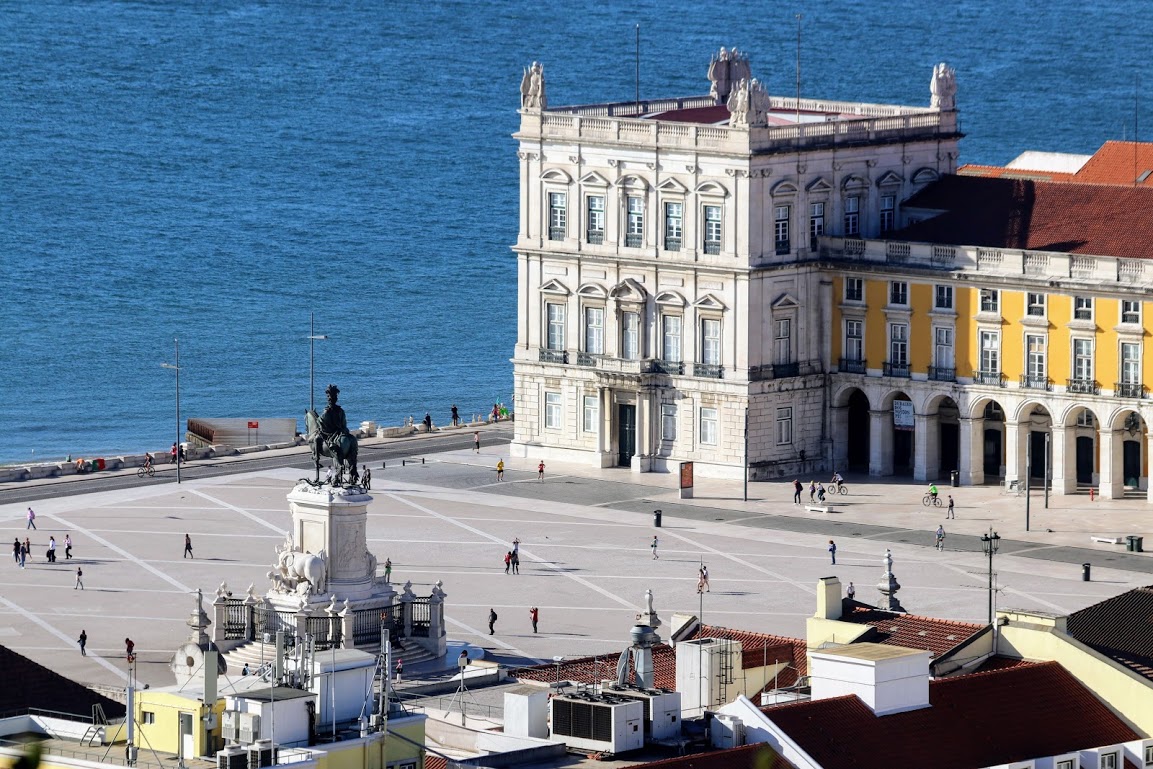
Campervan rental and where to stay
Renting a campervan in Portugal is very easy. There are loads of companies to choose from, and as we travelled in the first week of April, which is considered off-season, we managed to get a real bargain with loads of stuff thrown in at no extra cost.
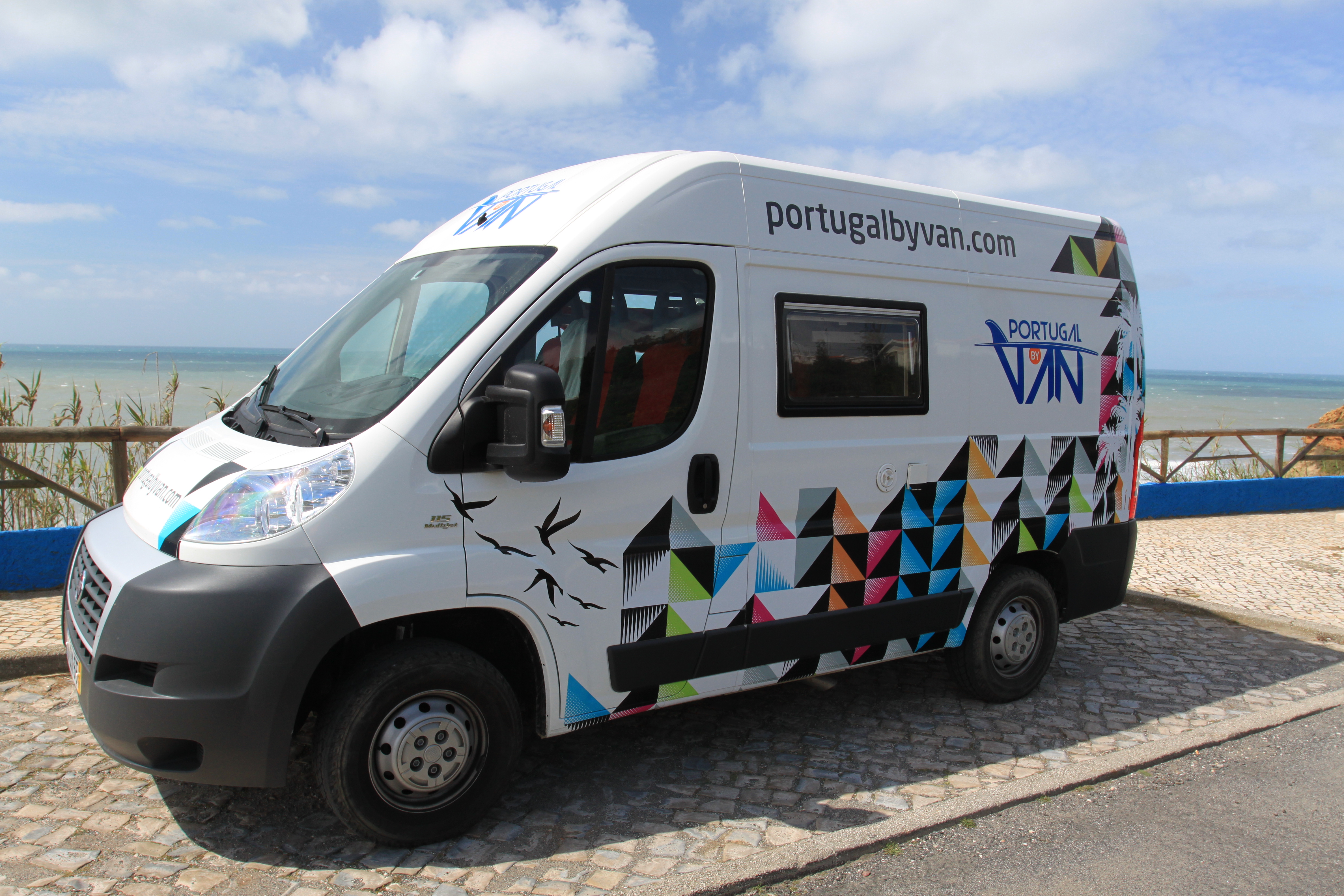
We booked our home on wheels with PORTUGAL BY VAN, a small company run by a handful of friendly and knowledgeable locals. Our three-seater was spacious enough for the two of us and contained a little fridge, kitchen utensils, a solar-powered shower, a cooker and even a BBQ.
Portugal is a paradise for travelling by campervan. Digital nomads and adventure seekers can easily navigate away from busy tourist spots and sleep under the stars in amazingly beautiful locations that even fancy all-inclusive resorts would struggle to provide.
On average, campsites around Europe can cost up to EUR 25 per night. So, a week or two camping around Portugal would add a significant amount of money to the budget. Gladly, an abundance of free campsites scattered throughout the country won’t leave you hanging dry. Check out VWFurgo and iOverlander for more detailed information; we found both sites useful.
Read More: Your Ultimate Guide To Planning The Best Ericeira Vacation In Portugal
Best time to go to Portugal
With 300 days of sunshine, the weather in Portugal is mild pretty much all year round.
July and August are hectic months with prices at their highest and the crowds at their bulkiest. September and October are perfect for visiting the southern part as the temperatures are below scorching and crowds are much thinner.
We prefer the springtime. At this time of the year, nature wraps Portugal in a fluffy cloud of pink almond blossoms, and the Atlantic breeze brings the essence of the fast-approaching summer.
Read More: 5 Top-Rated Day Trips From Beautiful Lisbon, Portugal You Shouldn’t Miss
Some of the Highlights of the Portugal road trip
- Flavourful Pastel de Natas
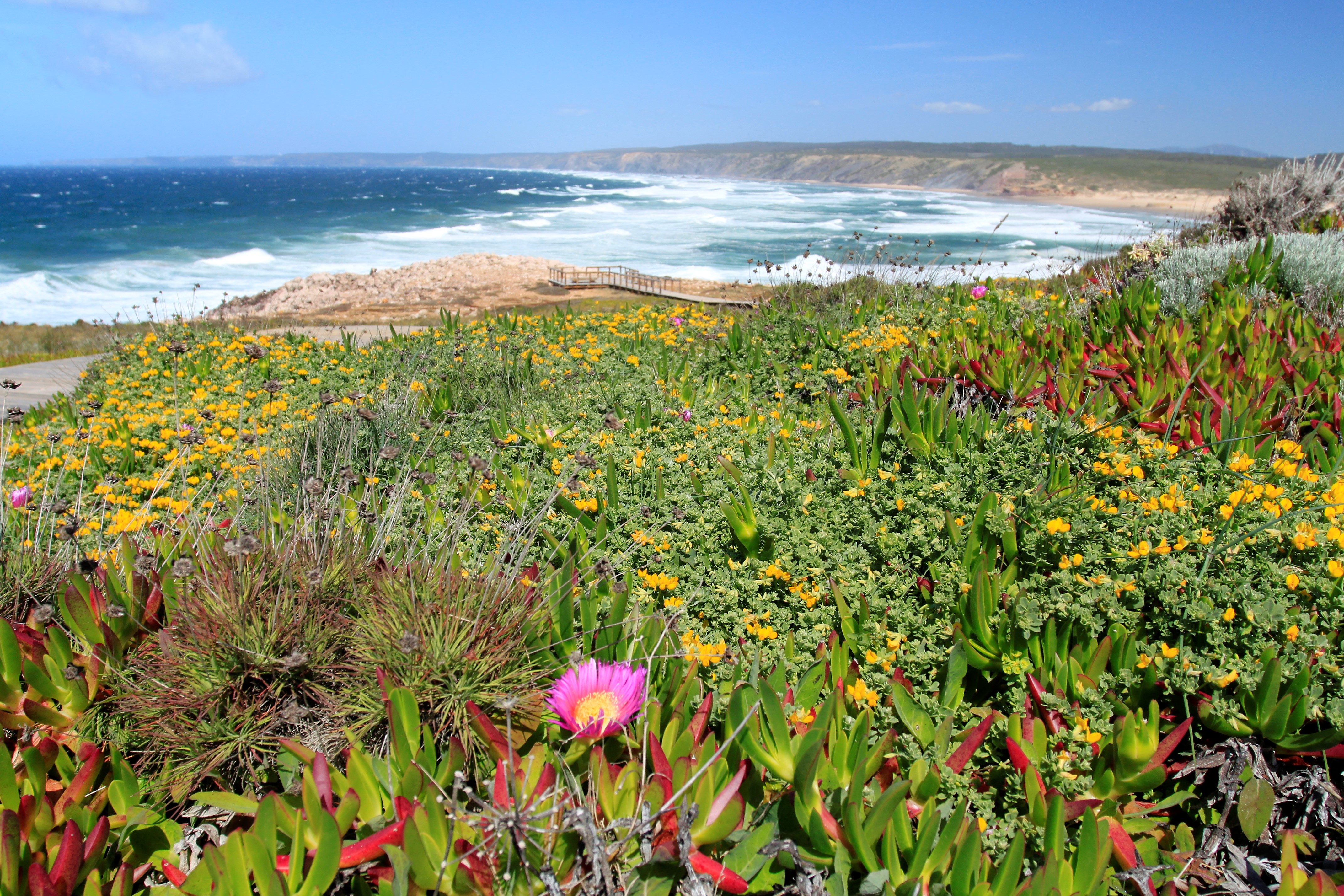
- Southwest Alentejo and Vicentine Coast Natural Park
- Fragrant orange trees in full bloom
- The ancient Roman Temple of Évora in the beautiful Évora
- Sintra town and the fantastic Quinta da Regaleira estate
- Boundless Atlantic waves
- Mesmerising sunsets and sunrises
Day 1. Arriving in Lisbon and picking up the campervan
Although we had an option to fly into Faro or Porto, we decided to travel from Dublin to Lisbon and start our journey there.
We deliberately booked an early morning flight, giving ourselves a full day ahead for picking up a campervan, stocking up on supplies and driving to Nazaré to spend the first night.
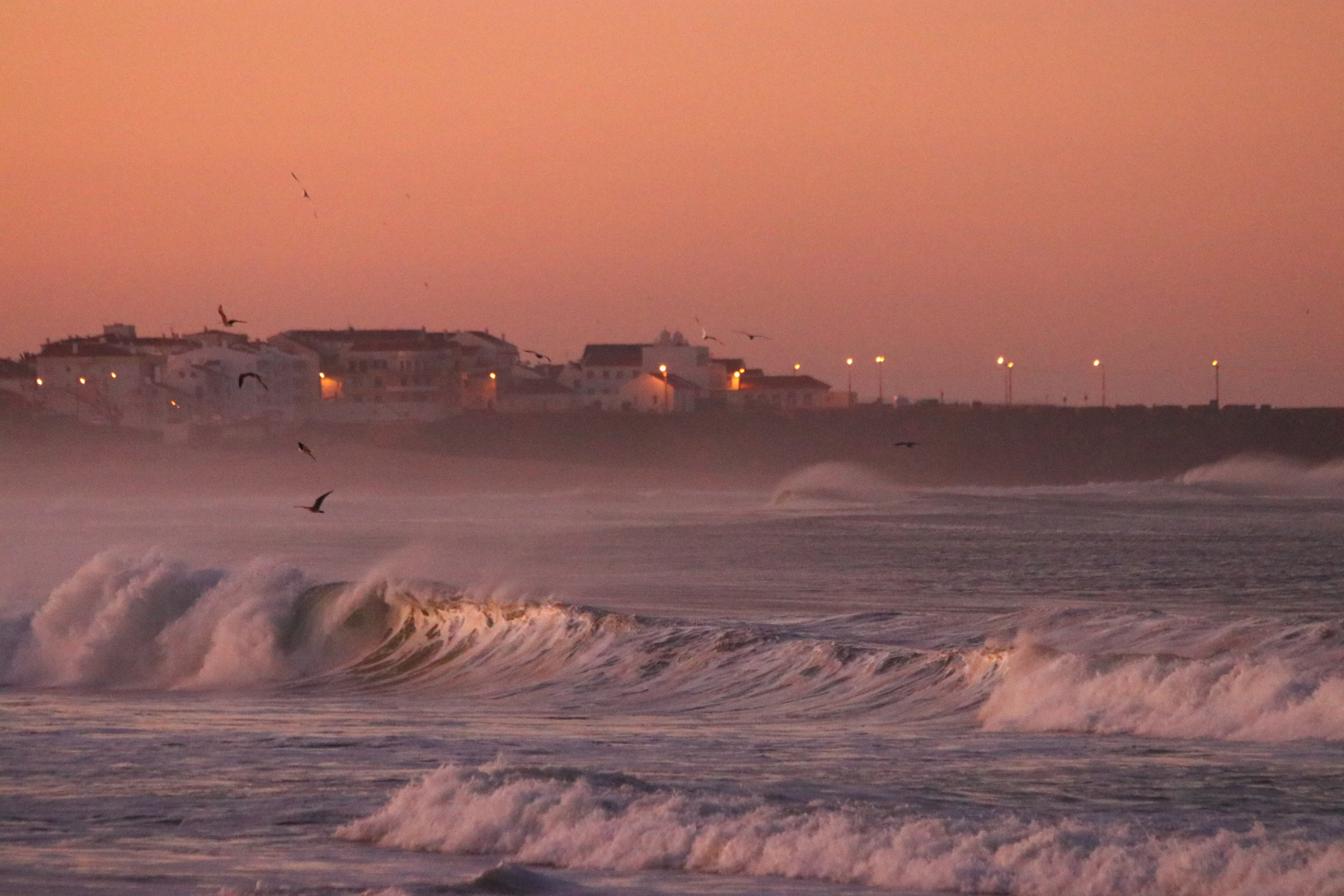
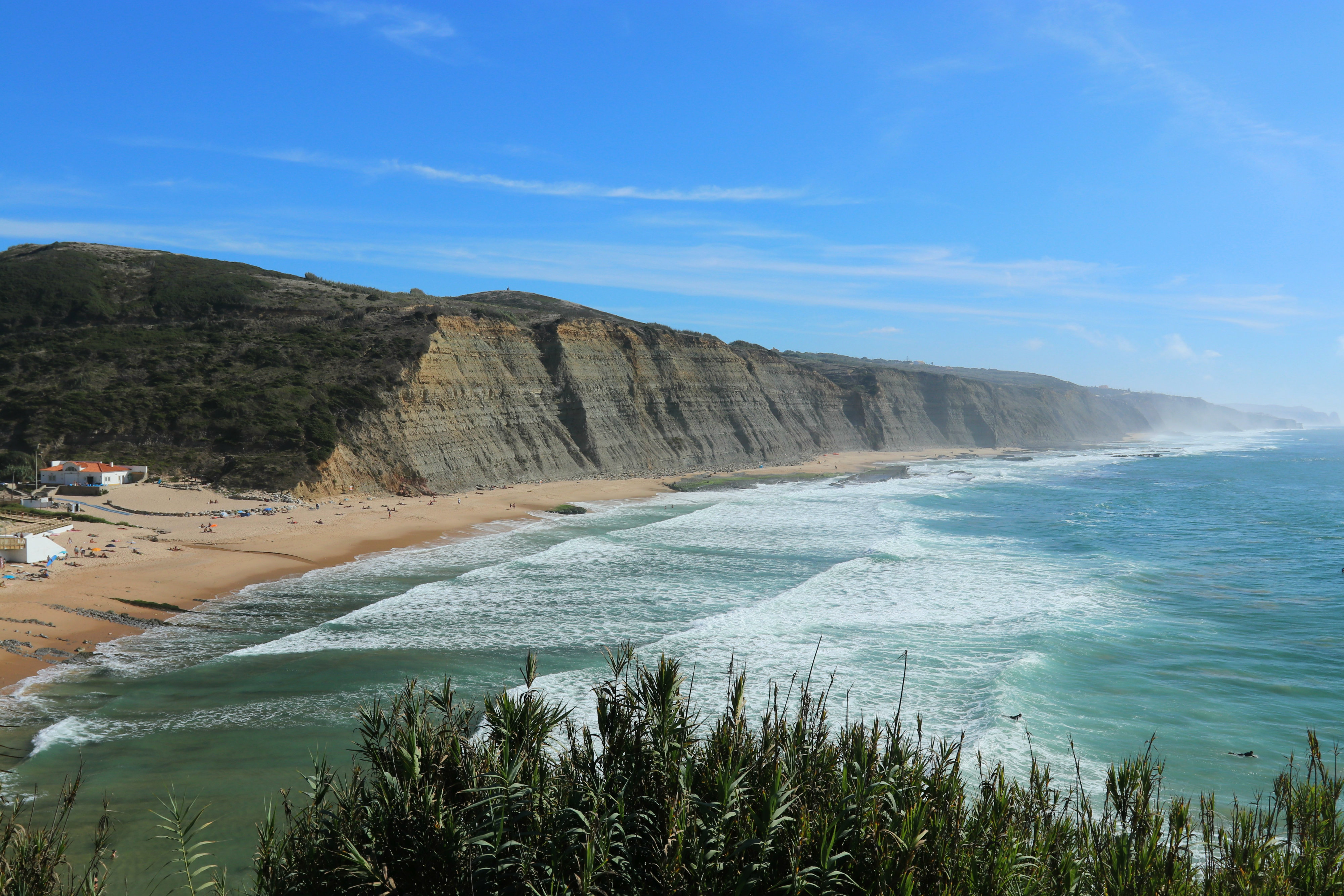
We arrived just in time for sunset and settled in beside a small fort perched on a cliff edge facing the notorious North Beach, well known for massive waves. The sun was rapidly vanishing behind the horizon, allowing the falling night to swallow the last of the light. The air was unforgivably hot; it was creeping under my clothes and down my spine.
However, as the scent and the roar of the ocean rose, reflecting the vibrant shades of the sunset, we felt entirely at ease. Gazing up and seeing loads of shooting stars was the most rewarding way to end our first day on the road.
When it comes to surfing, the potential in Nazaré is entirely on a different level. Waves are incredibly vast, and currents are strong. However, for those brave enough and with the right gear, this place is a playground. In 2011, Hawaiian daredevil Garrett McNamara set a Guinness World Record by riding a 78-foot wave, and after that, in January 2013, he surfed an estimated 100-foot one.
Read More: 5 Top-Rated Day Trips From Beautiful Lisbon, Portugal You Shouldn’t Miss
Day 2. Visiting Sintra Town and its charming castles
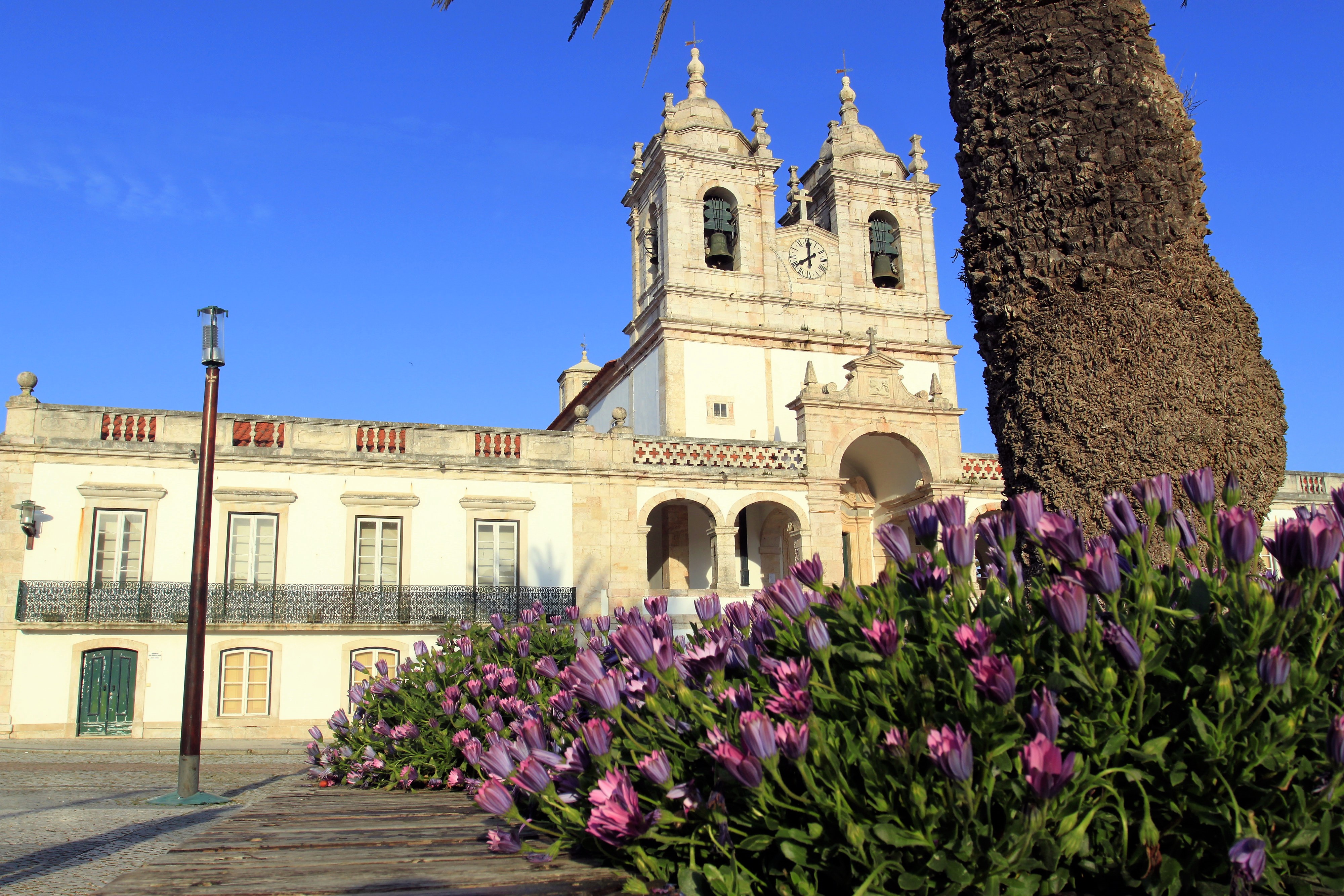
One of our favourite things about Portugal is that it never feels huddled, except when it comes to a very imposing Pena Palace. Thousands of tourists come to gawk at the multicoloured castle tucked amidst well-trimmed gardens, and it is impossible to blame them. We wanted to see it to
Pena Palace is a centrepiece of the Sintra region with a touch of romanticism, incredible viewpoints and a charming exterior. On top of the Palacio Nacional da Pena, we also visited Monserrate Palace, Quinta da Regaleira and the Moorish Castle.
After exploring the Sintra region, we set the sails south and crossed the Tagus River over the 25 de Abril Bridge.
Day 3-4. Exploring Parque Natural do Sudoeste Alentejano e Costa Vicentina
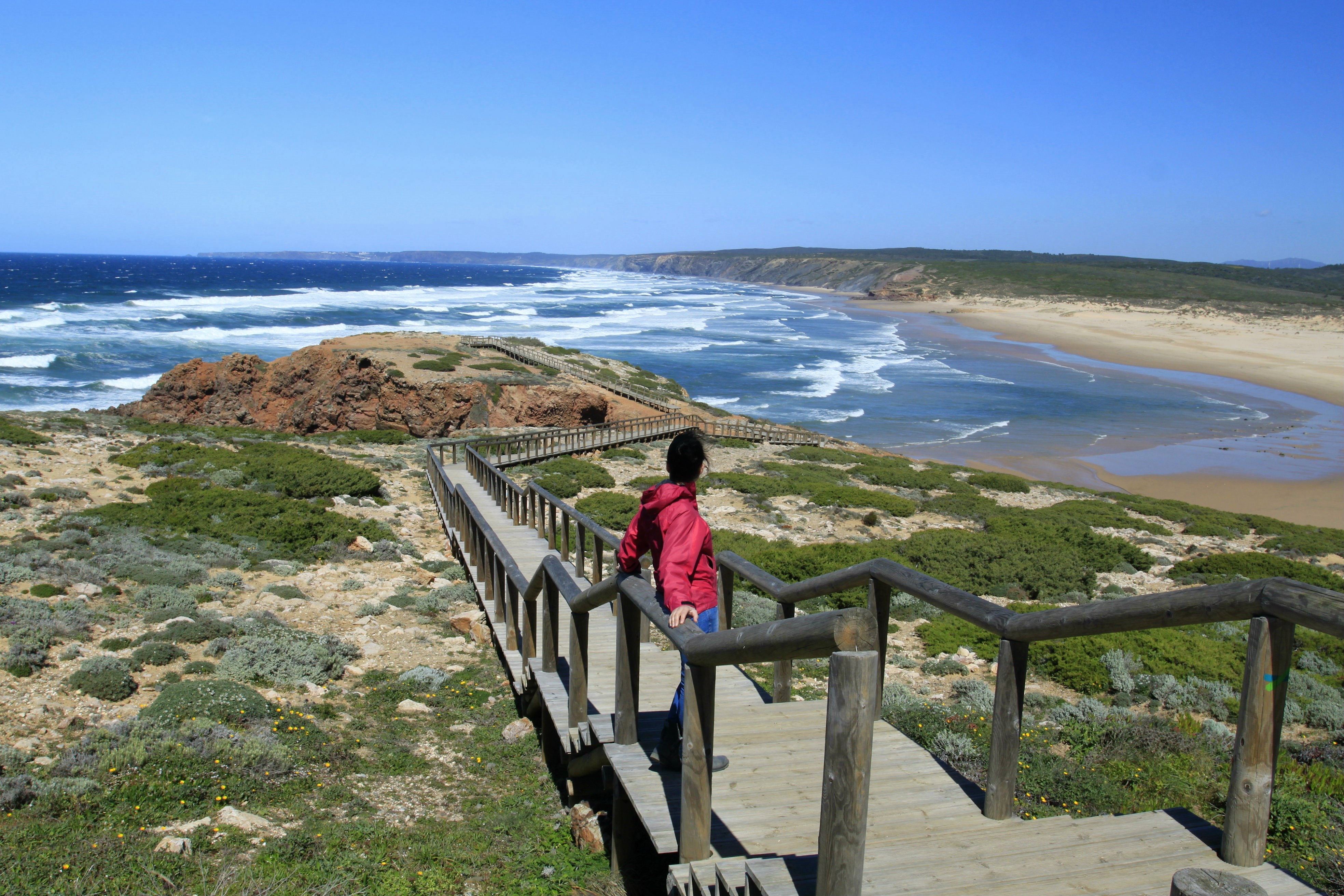
This protected stretch of land, wholly exposed to natural elements, exceeded our expectations. We did not see any visitors for two days, and coastal habitats with such staggering diversity were unlike anything we had seen before.
Besides fishing eagles, another bird species nesting along the Vicentine Coast Natural Park is the white stork. We looked for a signpost for Cabo Sardão as we wanted to see the birds and photograph a nearby lighthouse known for its unique characteristics.
The builder misread the construction plans, leading to the lighthouse being built with the entry door facing the ocean, which is the wrong way around. We found the lighthouse and plenty of nests, but no storks in them, just a few high up in the sky.
Read More: 9 Lovely Things To Do In Charming Cascais if You Only Have One Day
Day 5-6. Discovering the sunny South region
Our first stop in the southern Algarve was a place that’s very popular among surfers. Sagres village, located in the uttermost southwest of continental Europe, is worth the stop, especially to experience the ‘end of the world’ feeling at the iconic Cabo de São Vicente lighthouse.
After pausing at Sagres for a much-needed green tea and Pastel de Nata, we set out to visit the beautiful beaches around Lagos.
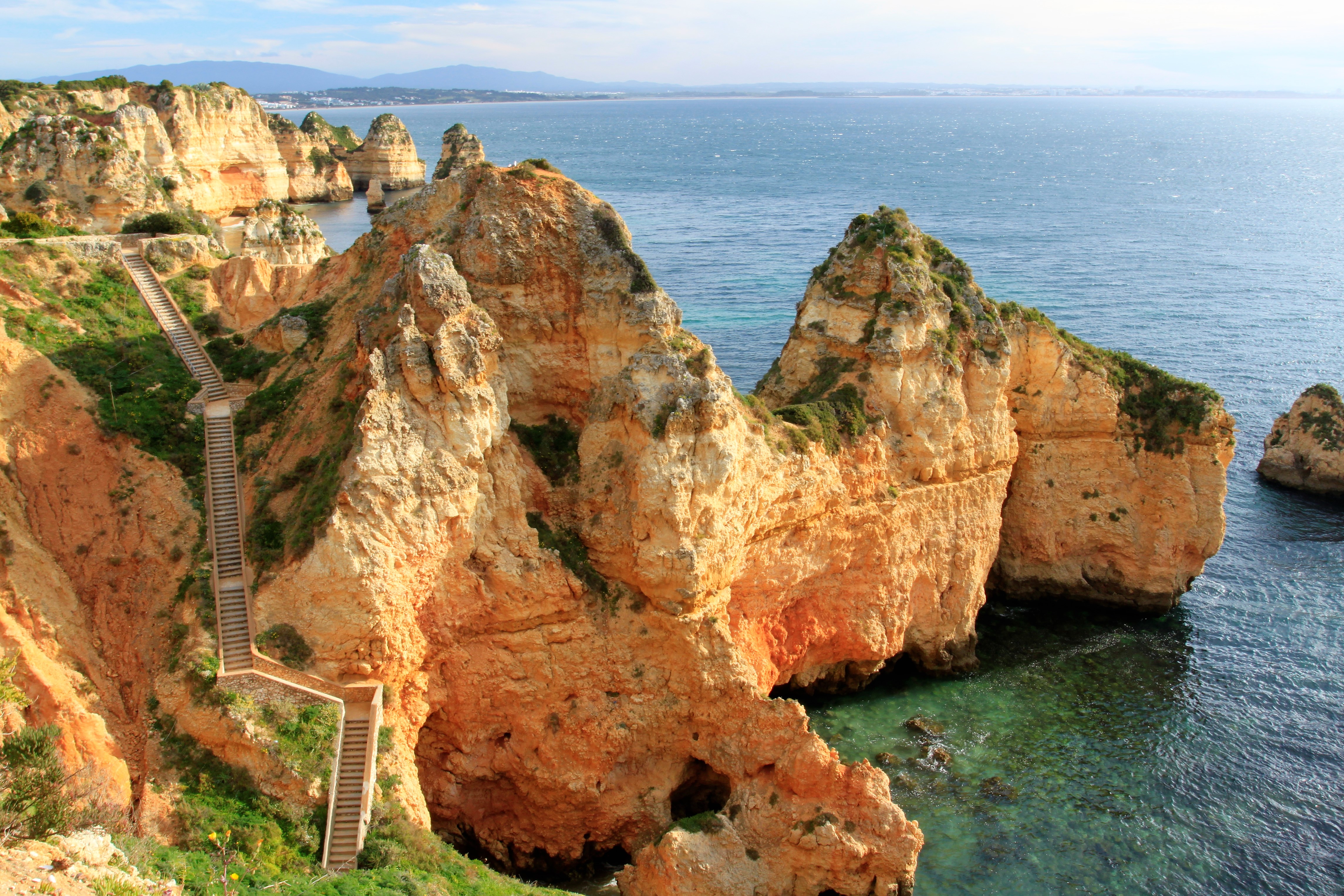
Some places feel familiar because we keep seeing them on social media, but it’s completely different to see them in person. This was the case with the Ponta de Piedade.
We could not believe there was no one around that day. Well, apart from a camper van with German license plates parked right beside the ‘no overnight parking sign, it was just the two of us. Beautiful coves and towering limestone cliffs were much more significant than we imagined.
Read More: Portugal Road Trip; the Best Places You Should Visit Right Now
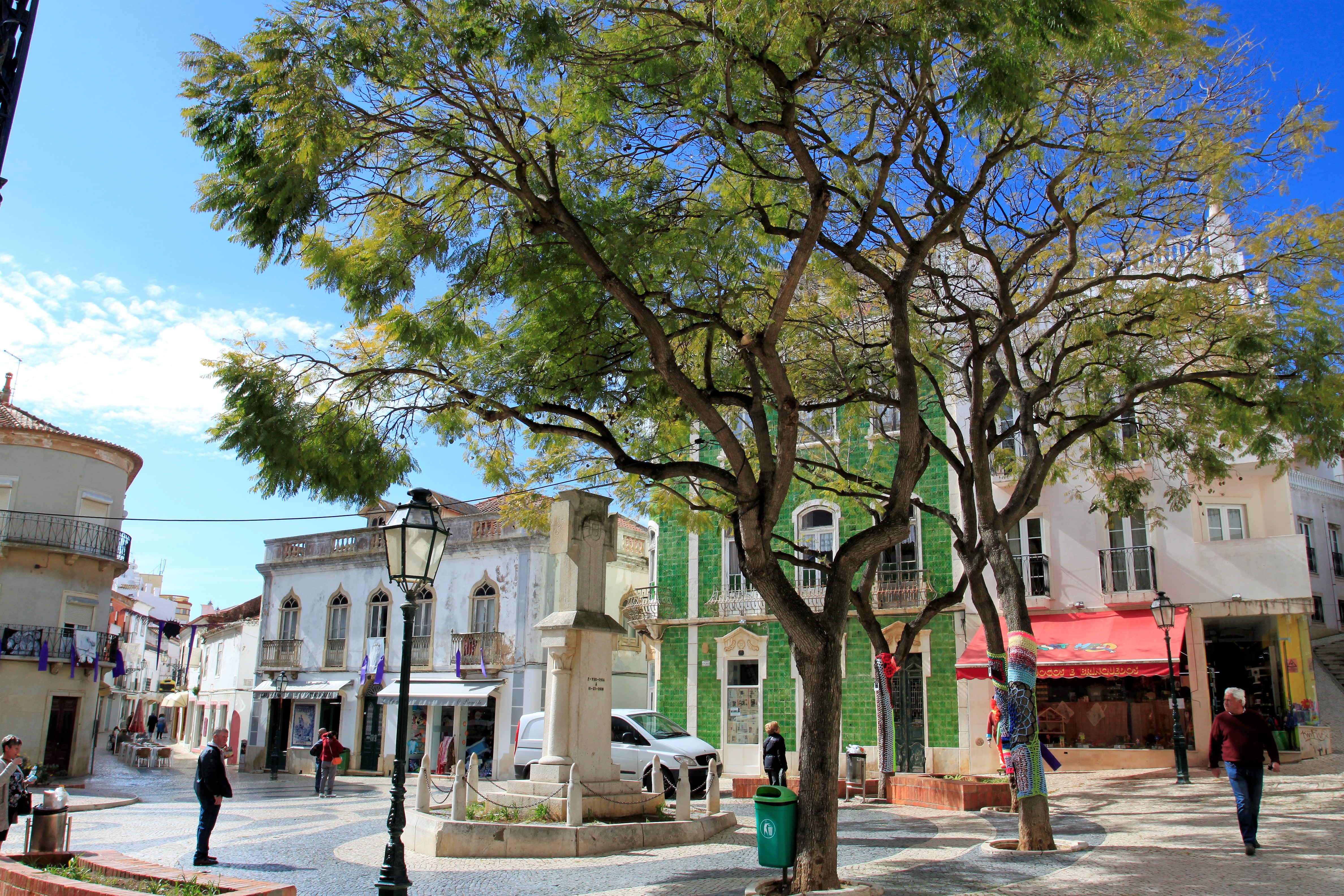
As soon as we arrived in Albufeira, we wanted to get out. Yes, we have to admit that the old town is charmingly welcoming, the beaches are stunning, and all the apartments painted in blue, pink, green and orange colours around the marina were super cute. However, to have people approaching us every 100 meters to lure us into restaurants and cafes was very annoying.
Leaving Albufeira, we spent a few hours in a place where storks nesting high up on chimneys attracted visitors’ attention and where the neoclassical archway, Arco da Vila, marks the gateway to the historic old city.
Faro is the capital of Portugal’s southern region, and as soon as we arrived, we went straight to the rooftop of the Cathedral of Saint Mary for panoramic views of the Ria Formosa lagoon.
The first noticeable thing about Faro was the sweet smell coming from orange blossoms. We learned that traditionally, these flowers are used to make honey and perfume.
Read More: 8 Memorable Things To Do In Ghent, Belgium | Attractions and Activities

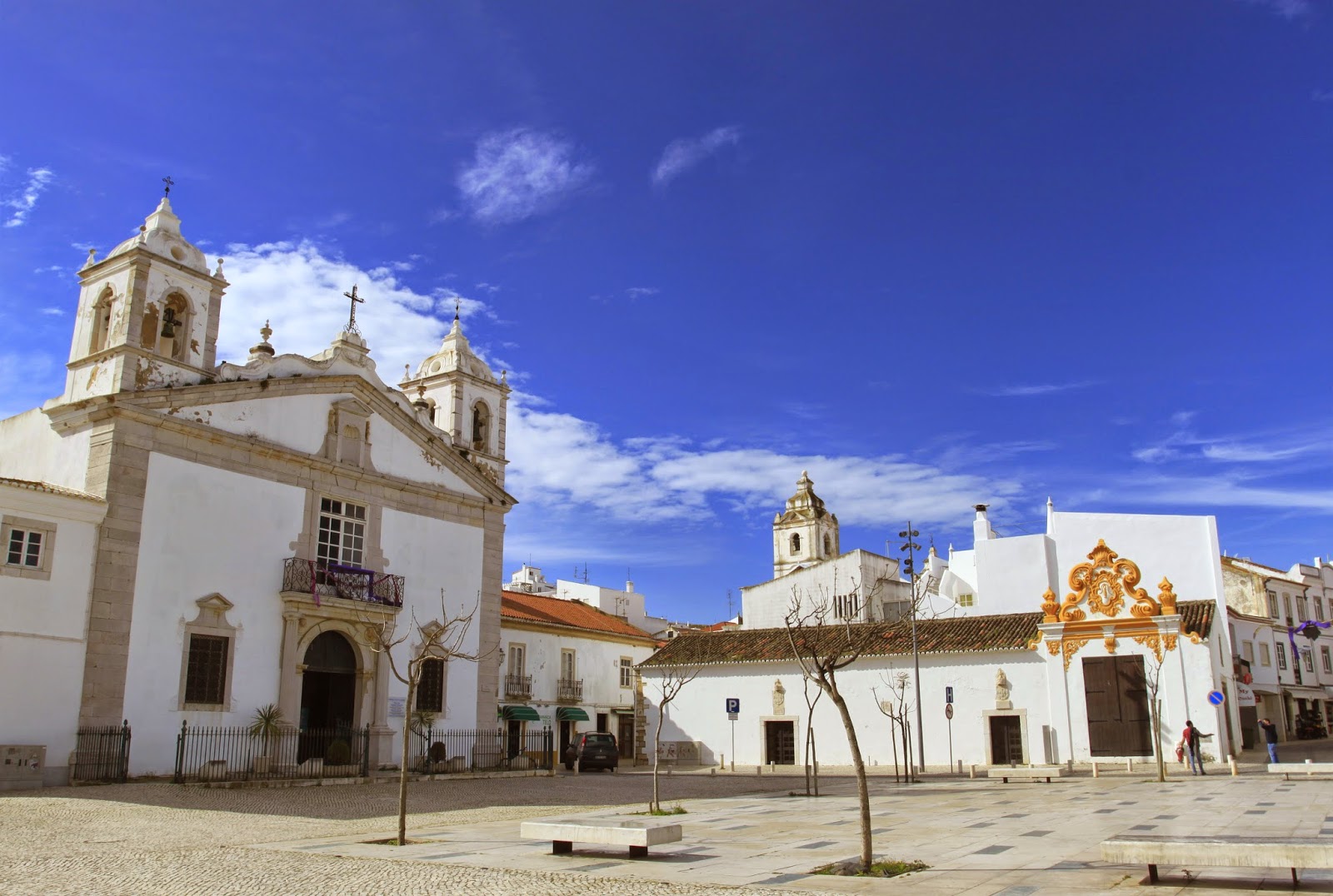
Day 7. Évora and a way back home
The fastest and most convenient way to get back to Lisbon from Albufeira was to travel on the A2 highway, which is also quite a dull drive without many possibilities to make photo stops.
Valters remembered reading in one of the surf magazines about a little historical town called Évora. The next day, we got up unusually early to be ready for a drive through the south-central part of Portugal known as the Alentejo region.
The Alentejo might be Portugal’s most impoverished region, but the landscape unfolding before our eyes was beautiful and very different from what we were used to driving along the coast. Large green and yellow fields of crops on one side of the road and trimmed vineyard hills on the other.
We fell in love with the twisted olive trees and cork oaks scattered throughout.
Not only is Évora a UNESCO World Heritage Site, but also a member of the Most Ancient European Towns Network. The best way to see the place is on foot, and we started from the main square – the Praça do Giraldo.
We got a map from the Tourist information office to be sure we do not miss anything. Besides traditional heritage, culture and slow pace of life, Évora is a vibrant and young city with a large number of students who attend the second-oldest university in the country.
Read More: Six Fantastic Travel & Adventure Books to Take Your Mind Off Things

… … … … … … … … … … … … … … … … … … … … … …
Now, over to you!
Have you travelled around Portugal in a campervan? Let us know in the comments below!
If you benefited from this post and wanted to show your support, share it with friends!
Subscribe For The Latest In Travel Inspiration
Subscribe to our monthly email newsletter to stay up to date with all our outdoor adventures
Enter your email below to receive updates

 OUR CROSSINGS
I did more or less the exact same trip two years ago and LOVED it! Portugal is just so beautiful, it blows my mind every time!
LikeLiked by 1 person
We absolutely loved it too, travelling south of Lisbon and seeing the idyllic landscapes and wild places, sticking your head out the window and feeling the wind. Thanks for stopping by and safe travels xx
LikeLike
Great pictures. This looks so beautiful and with lovely, colourful buildings. Great post!
LikeLiked by 1 person
Thanks so much, guys and sorry for the late reply, somehow your comment ended up in a spam section! Portugal really is amazing and colourful and there’s plenty of places to escape the crowds
LikeLiked by 1 person
Great post that we had to share on https://campervanfans.com/ 🙂 We once traveled from Albufeira to Lisbon and we loved it. Portugal has a warm place in our hearts.
LikeLiked by 1 person
Thanks so much and that’s how we feel about Portugal too, there’s a certain magic to its laid back way of life
LikeLiked by 1 person
Great pictures! Portugal is one of our “bucket list” countries! We will definitely use this post to guide our planning.
LikeLiked by 1 person
Thanks so much for stopping by and reading! Hope you get to explore Portugal someday, it’s an amazing country full of wonder and pretty sights.
LikeLike
Way cool! We’ve been thinking of doing something like that here in the states.
LikeLiked by 1 person
We had so much fun exploring Portugal in a campervan, that soon after we arrived back in Ireland, we were on a mission to get one for ourselves too, it took us longer than anticipated, but now we can go on a proper road trip every weekend, highly recommend 😀
LikeLiked by 1 person
We’ve been thinking once our road trip around the US, Canada and Alaska comes to an end, of hitting the road overseas. This is great stuff! Thank you so much for the info!
LikeLiked by 1 person
You are welcome, Europe is an exciting place to explore, I hope you make it over here one day! And, I have to say your road trip adventures look and sound amazing! Safe travels 😀
LikeLiked by 1 person
What a fun trip! And Portugal is so beautiful!
LikeLiked by 1 person
Portugal is so beautiful that we’ve been back 5 times already and would go back again without hesitation 😀
LikeLike
This is such a useful article! Thank you! You saw an amazing amount of beauty and history for very little cost. Thanks for sharing.
LikeLiked by 1 person
Thanks so much for stopping by and reading! Portugal still is a budget-friendly country to visit, even if you choose to stay and explore its biggest cities! Travelling in a campervan gifted us with so much free time, we were able to visit every single nook and cranny.
LikeLike
good read!
LikeLiked by 1 person
Thanks so much, I’m glad you enjoyed it!
LikeLike
I m going to visit Portugal next week. Great recommendations
LikeLiked by 1 person
Wow, how exciting for you, have a lovely trip! What part of Portugal are you travelling to?
LikeLiked by 1 person
Lisbon, Porto and if there is time going to the south as well
LikeLiked by 1 person
Sounds amazing, I hope you have a great time, Portugal has a way of working its magic into your heart
LikeLiked by 1 person
Thanks a lot
LikeLike
Thanks a lot. I am sure i will love it❤️
LikeLiked by 1 person
Those cliffs are stunning!
LikeLiked by 1 person
Thank you! Those cliffs were one of the reasons why wanted to travel along Portugal’s coast! They were insanely beautiful and a joy to photograph. Thanks for stopping by and have a good day. Aiva
LikeLiked by 1 person
I understand Portugal is quite beautiful. I speak Portuguese (Brazilian) but have never gone to Portugal. One day. Até logo. 😉
LikeLike
Something about this post does not add up? is it pure marketing? you drive firstly to nazare and then back to Sintra?
LikeLiked by 1 person
Hello, and thanks for your comment. Yes, we drove first to Nazare and then to Sintra followed by Alentejo National Park, because the route from Lisbon Airport-Nazare-Sintra was 2 hours 40 min versus the 3 hours and 15 min for the route Lisbon Airport-Sintra-Nazare-Sintra. Also – our initial road trip itinerary was from Nazare to Faro, so it made perfect sense to travel to Nazare first and then slowly snail down south. Thanks for stopping by, and have a good day. Aiva xx
LikeLike
We are planning to do a very similar road trip with a campervan and with 2 kids 🙂 Is it possible to share the areas/ stops where you parked/ spent the night?
LikeLiked by 1 person
That’s so exciting! A road trip around Portugal with a campervan is always a good idea!
During our trip, we mostly wild capmed around Portugal. Keep in mind – wild camping is once again allowed in Portugal, with exceptions. Wild camping is still banned on lands belonging to the Natura 2000 network, protected areas and areas covered by the Coastal Development Plans. Violations on these lands can result in a fine between 120 to 600 euros.
To find a nice place to spend the night or just have a good time, I suggest using following websites:
There’s also Park4night, Camperguru and Portugal Easycamp websites for finding that perfect spot.
I hope this helps. Cheers, Aiva xx
LikeLike